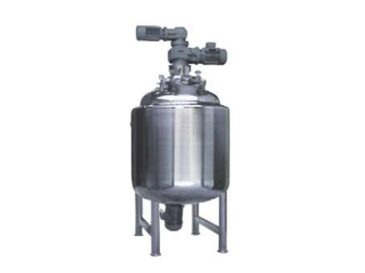
1. Basic Composition
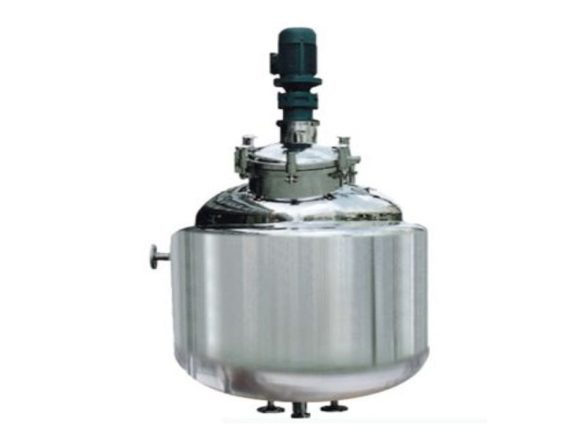
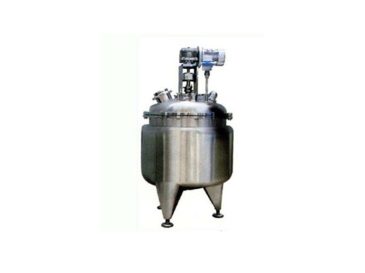
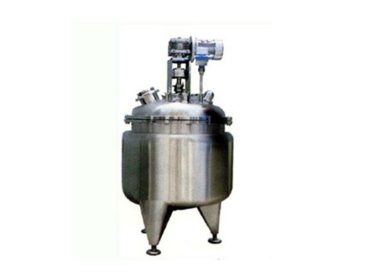
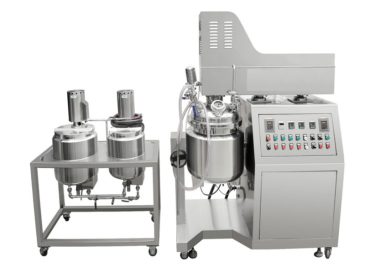
A saponification kettle mainly consists of several components.
These components include a reaction kettle, agitator, heating system and control system.
The reaction kettle serves as the core of the device.
We use it to load reactants and carry out reactions.
For the agitator, it mixes reactants evenly.
This even mixing further improves reaction efficiency.
Meanwhile, the heating system provides necessary temperature conditions.
Finally, the control system monitors and adjusts the entire process precisely.
These components include a reaction kettle, agitator, heating system and control system.
The reaction kettle is the core of the device.
We use it to load reactants and carry out reactions.
The agitator mixes reactants evenly.
This even mixing improves reaction efficiency.
The heating system provides necessary temperature conditions.
The control system monitors and adjusts the entire process precisely.
2. Structural Features and Functions
The saponification kettle has multiple optional configurations.
For example, it may adopt spiral ribbon agitation and gear transmission.
Additionally, it can also use wall-mounted agitators.
Heating methods include jacketed hot oil circulation.
Alternatively, we can heat it electrically.
It usually has pressure and temperature detection functions.
We also equip it with double windows and double-point temperature measurement.
Its structure is compact and concise.
This makes it very convenient to assemble and inspect.
Moreover, it is also easy to use and maintain.
The stirrer can rotate on its own or co-rotate.
We equip it with wall-scraping functions.
This prevents materials from hanging on the kettle wall.
As a result, it ensures thorough and complete reactions.
The stirring frame has wear-resistant elastic edge scrapers.
These scrapers can scrape off adhered materials effectively.
Specifically, they remove materials from the kettle wall and bottom.
This further improves heat transfer efficiency significantly.
It may adopt spiral ribbon agitation and gear transmission.
It can also use wall-mounted agitators.
Heating methods include jacketed hot oil circulation.
It can also be heated electrically.
It usually has pressure and temperature detection functions.
It is equipped with double windows and double-point temperature measurement.
Its structure is compact and concise.
It is very convenient to assemble and inspect.
It is also easy to use and maintain.
The stirrer can rotate on its own or co-rotate.
It is equipped with wall-scraping functions.
This prevents materials from hanging on the kettle wall.
It ensures thorough and complete reactions.
The stirring frame has wear-resistant elastic edge scrapers.
These scrapers can scrape off adhered materials effectively.
They remove materials from the kettle wall and bottom.
This improves heat transfer efficiency significantly.
3. Working Process
We first add grease and lye to the reaction kettle.
We add them according to the required proportion.
Then we use the agitator to mix them fully.
Afterward, the heating system starts to work.
It provides a suitable temperature for the reaction.
During the reaction, the control system works in real time.
It monitors the temperature in the reaction kettle.
Additionally, it also monitors the pressure in the reaction kettle.
It adjusts automatically according to preset programs.
This ensures the reaction proceeds smoothly.
We add them according to the required proportion.
Then we use the agitator to mix them fully.
The heating system starts to work afterward.
It provides a suitable temperature for the reaction.
During the reaction, the control system works in real time.
It monitors the temperature in the reaction kettle.
It also monitors the pressure in the reaction kettle.
It adjusts automatically according to preset programs.
This ensures the reaction proceeds smoothly.
4. Application Fields
The saponification kettle is widely used in many fields.
These fields include chemical and daily chemical industries.
Specifically, it is important equipment for preparing lubricating grease.
We also use it to produce soap and other products.
Furthermore, it can be applied to other saponification reaction processes.
These fields include chemical and daily chemical industries.
It is important equipment for preparing lubricating grease.
It is also used to produce soap and other products.
It can be applied to other saponification reaction processes.
5. Maintenance Requirements
We need regular maintenance for the saponification kettle.
This ensures its normal operation and longer service life.
Maintenance items include cleaning the reaction kettle.
We also check the agitator’s working status.
Besides that, we need to check the heating system as well.
We also need to calibrate the control system regularly.
We should pay attention to its anti-corrosion treatment.
This avoids damage caused by corrosion.
This ensures its normal operation and longer service life.
Maintenance items include cleaning the reaction kettle.
We also check the agitator’s working status.
We need to check the heating system as well.
Calibrating the control system is also necessary.
We should pay attention to its anti-corrosion treatment.
This avoids damage caused by corrosion.