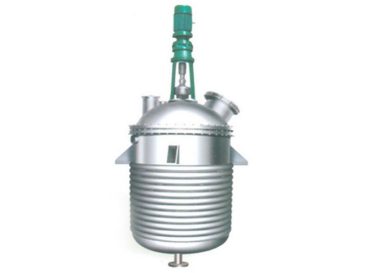
1. Overview of Hydrothermal Synthesis
Hydrothermal synthesis has a long history, dating back to 1850.
It is an effective inorganic synthesis and material processing method.
We use aqueous solutions as the reaction system.
To create a suitable reaction environment, we heat, pressurize, or use autogeny to generate high temperature and pressure.
This environment then dissolves and recrystallizes usually insoluble substances.
It is an effective inorganic synthesis and material processing method.
We use aqueous solutions as the reaction system.
To create a suitable reaction environment, we heat, pressurize, or use autogeny to generate high temperature and pressure.
This environment then dissolves and recrystallizes usually insoluble substances.
2. Definition of Hydrothermal Synthesis Reactor
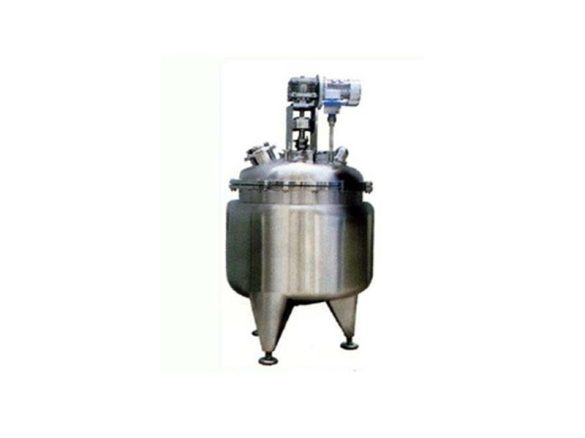
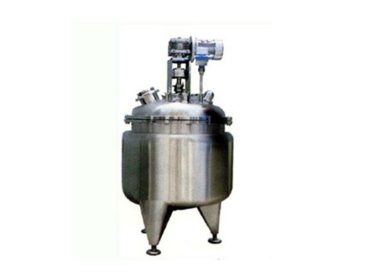
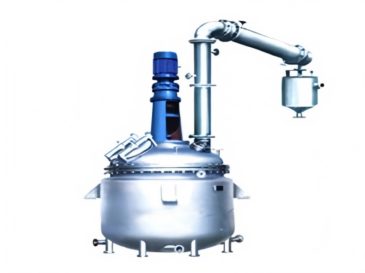
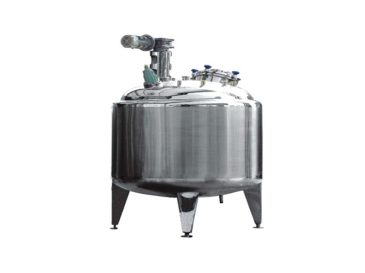
We call equipment for hydrothermal synthesis reactions a hydrothermal synthesis reactor.
Primarily, it provides a reaction vessel for hydrothermal and solvent-thermal synthesis.
Specifically, it is typically a closed or medium-high pressure container.
Primarily, it provides a reaction vessel for hydrothermal and solvent-thermal synthesis.
Specifically, it is typically a closed or medium-high pressure container.
3. Operating Parameters
Hydrothermal reactors usually operate at 100~1000℃.
Meanwhile, their operating pressure ranges from 1~100Mpa.
Since synthetic products vary, we design temperature and pressure differently accordingly.
Meanwhile, their operating pressure ranges from 1~100Mpa.
According to different synthetic products, we design temperature and pressure differently.
4. Main Uses
They are common in chemical synthesis reactions.
One key use is to study substance reactivity under hydrothermal conditions.
Additionally, they help explore synthetic reaction rules.
Furthermore, they are used to study the structure and properties of synthetic products.
One key use is to study substance reactivity under hydrothermal conditions.
Additionally, they help explore synthetic reaction rules.
Furthermore, they are used to study the structure and properties of synthetic products.
5. Reactor Size and Hydrothermal Reaction Types
Hydrothermal synthesis requires strict temperature and pressure control.
Moreover, reactions are relatively intense.
Thus, most reactors are small in size.
We classify hydrothermal reactions by their types.
Common types include hydrothermal oxidation and hydrothermal reduction.
They also include hydrothermal precipitation and synthesis.
Other types are hydrolysis and crystallization.
Among these, hydrothermal crystallization is the most commonly used type.
Moreover, reactions are relatively intense.
Thus, most reactors are small in size.
We classify hydrothermal reactions by their types.
Common types include hydrothermal oxidation and hydrothermal reduction.
They also include hydrothermal precipitation and synthesis.
Other types are hydrolysis and crystallization.
Among these, hydrothermal crystallization is the most commonly used type.
6. Reactor Body Structure and Materials
We make the reactor body from high-quality 304 or 316L steel.
It uses round tenon and groove sealing for tightness.
For secure fastening, we use manual screws.
As a result, it has good sealing, high safety, and easy operation.
Additionally, the tank resists high temperatures and corrosion.
For special materials, we use a PTFE inner lining.
This lining has strong corrosion resistance.
Furthermore, it does not adsorb materials and is non-toxic.
It uses round tenon and groove sealing for tightness.
For secure fastening, we use manual screws.
As a result, it has good sealing, high safety, and easy operation.
The tank also resists high temperatures and corrosion.
For special materials, we use a PTFE inner lining.
This lining has strong corrosion resistance.
Additionally, it does not adsorb materials and is non-toxic.
7. Head and Surface Treatment
It is basic equipment for high-temperature high-pressure hydrothermal synthesis.
We use ellipsoidal heads for the top and bottom.
These heads have good pressure resistance due to their design.
We polish the inner surface to a mirror finish (Ra ≤ 0.4μm).
For the outer surface, we use mechanical polishing to reach Ra ≤ 0.8μm.
We use ellipsoidal heads for the top and bottom.
These heads have good pressure resistance due to their design.
We polish the inner surface to a mirror finish (Ra ≤ 0.4μm).
For the outer surface, we use mechanical polishing to reach Ra ≤ 0.8μm.
8. Mixing Paddle Options
We select mixing paddle forms based on process requirements.
Common options include frame, anchor, blade, and turbine types.
If customers have special needs, we can also design custom paddles accordingly.
Common options include frame, anchor, blade, and turbine types.
If customers have special needs, we can also design custom paddles.
9. Standard Configuration
It includes an electrical control box as a core component.
The control box has a thermometer and level display.
It also has pressure display, switches, and indicator lights.
In addition, it comes with a spotlight switch.
Besides the control box, other configurations include a manhole and feed/discharge ports.
It also has cold and hot medium inlets and outlets for temperature control.
Furthermore, it includes a spare port and cleaning port for maintenance.
It is also equipped with a sterilization port and sample port for operational convenience.
Additionally, it comes with a thermometer port and pressure gauge port for monitoring.
Finally, a vacuum port is also part of the configuration to meet specific process needs.
The control box has a thermometer and level display.
It also has pressure display, switches, and indicator lights.
In addition, it comes with a spotlight switch.
Other configurations include a manhole and feed/discharge ports.
It also has cold and hot medium inlets and outlets.
Besides, it includes a spare port and cleaning port.
It is also equipped with a sterilization port and sample port.
Furthermore, it comes with a thermometer port and pressure gauge port.
Finally, a vacuum port is also part of the configuration.