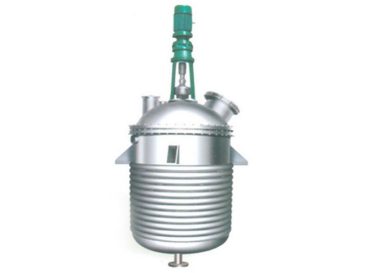
1. Agitation Methods & Selection
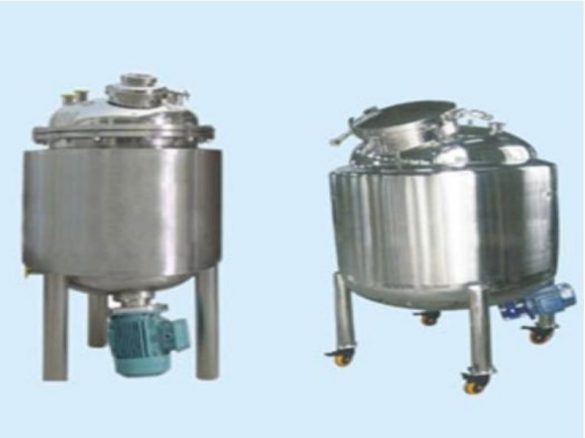
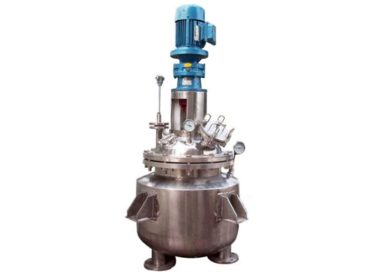
The magnetic reactor can use agitation methods such as top mechanical agitation and bottom magnetic agitation. We can select the agitation form and size of the agitator according to the different viscosities of users’ materials. The magnetic agitation has a high rotation speed, low shear force, and good material mixing effect.
2. Structural Composition & Material
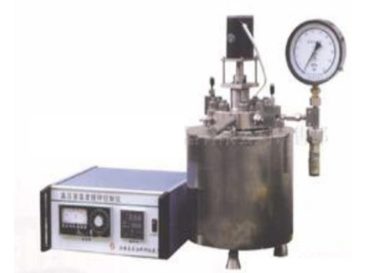
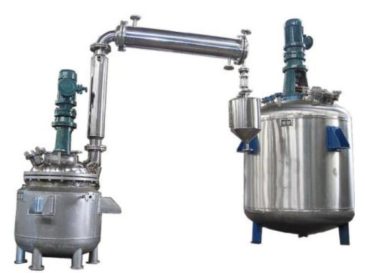
The magnetic reactor consists of a reactor body, upper head, lower head, insulation layer, jacket, motor, magnetic agitator, magnetic coupling, nozzle accessories, etc. We generally use high-quality stainless steel as its material.
3. Sealing Structure & Application Scope
The magnetic reactor adopts a static sealing structure. We connect the agitator and the motor transmission via a magnetic coupling. Thanks to its non-contact transmission torque, the static seal replaces the dynamic seal, which can completely solve the leakage problem that the previous mechanical seal and packing seal could not solve. This design allows all agitation components of the entire medium to work in a completely sealed state.
Therefore, it is more suitable for reactions involving various flammable, explosive, highly toxic, valuable media and other chemical media with extremely strong permeability. It is an ideal leakage-free reaction equipment for sulfuration, fluorination, hydrogenation, oxidation and other reactions in processes such as petroleum, chemical industry, organic synthesis, polymer material polymerization, and food.