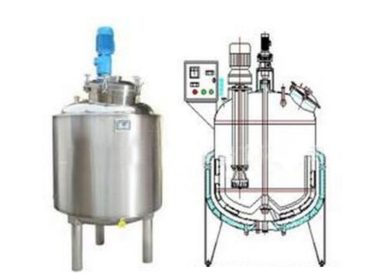
1. Overview of Antifreeze Reactor
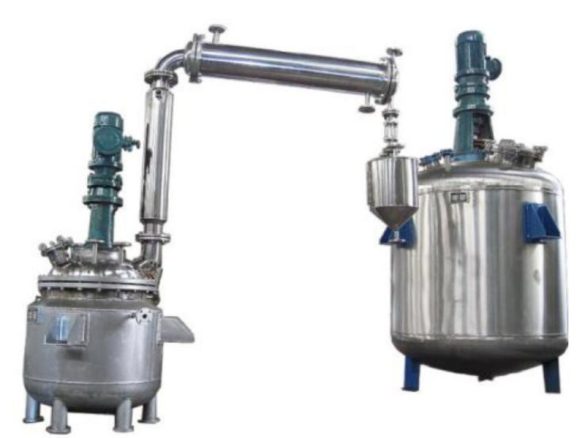
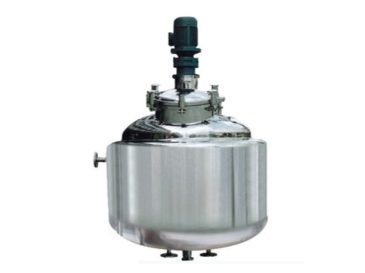
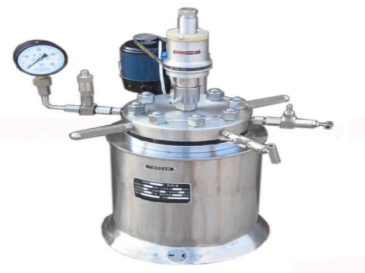
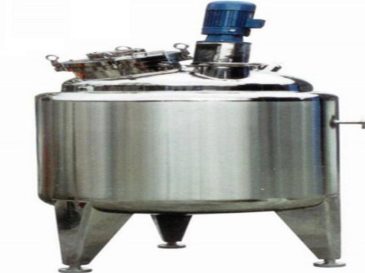
The antifreeze reactor is mainly a stirring container for mechanical and physical mixing. Generally, we design it as a three-layer insulated container for better temperature control. Additionally, we design the stirring system as a variable-speed stirrer to adapt to different mixing needs. The reactor’s impeller combines a propelling type and a backward-swept type paddle, and this combined impeller design delivers a good mixing effect and high efficiency.
2. Application of Antifreeze Coolant
Antifreeze coolant, also known as coolant with antifreeze function, has a wide range of applications. Primarily, it is used to lubricate and cool various equipment across multiple industries, including automobiles, train internal combustion locomotives, tractors, and ships. Furthermore, it also serves engines, water tanks, and other similar devices.
3. Mixing Process and Inquiry Guidance
We stir and blend base oil, ethylene glycol, water, and other additives according to specified processes and temperatures. For the basic process and formula of the antifreeze reactor equipment, you can refer to our company’s official website for inquiry.
4. Specifications of 1T Antifreeze Reactor
The 1T antifreeze reactor features electric heating, temperature control, upper mechanical stirring, vertical structure, and speed control.
4.1 Main Structure
It adopts a vertical three-layer structure with an upper flat opening and a lower conical head, and we install it on the ground with legs to ensure stability during operation. Inside the tank, we set a baffle to enhance mixing efficiency effectively. For the jacket material, we use Q235/S30408 to meet performance requirements, and we use electric thermal oil or steam as the heating medium to achieve heating.
4.2 Outer Packaging and Insulation
We use SUS304 as the outer packaging material for its durability and hygiene, while the thermal insulation medium is either polyurethane or rock wool. The total height of the equipment is shown in the drawings, excluding the legs. Moreover, we can adjust the height of the discharge port from the ground according to customer requirements (see drawings).
4.3 Rotating Part
The rotating part of the antifreeze reactor includes several key components: (1) It is equipped with a variable-frequency motor for variable-frequency speed regulation; (2) Its rotating speed ranges from 0 to 82 rpm, ensuring flexible control; (3) It also has a self-made machine base to guarantee stable operation; (4) For efficient mixing, it uses upper and lower inclined-blade impellers; (5) Additionally, we equip the reactor with various nozzles to meet different operational needs.
These nozzles include a powder feeding port (1/3 flip cover), liquid inlet, and water inlet. It also features a quick-fit connection for the ethylene glycol inlet, a side cylinder discharge port, and a cone-bottom sewage outlet. The upper exhaust outlet is equipped with an elbow, along with M16 temperature probes for the inner tank and jacket. Furthermore, it has a jacket expansion port, exhaust port, sewage outlet, and a protective glass tube liquid level gauge.
5. Key Design Points
We design a special baffle inside the tank to facilitate material mixing. For safety, the heater part adopts an insulated structure to prevent scalding during operation and discharge. To ensure precise temperature control, we adopt a dual-probe and dual-temperature-control design for the inside and outside of the tank, while the outer tank is insulated with stainless steel foam to maintain temperature stability.
We polish the inner tank to 0.8μm and the outer mirror surface to 0.4μm, ensuring both hygiene and an attractive appearance. At the cone angle of the head, we perform rotating edge treatment to enhance the overall appearance. The liquid inlet, ethylene glycol inlet, and water inlet all adopt an internal-extension oblique-mouth feeding method, which effectively prevents liquid splashing during feeding.
For the stirring seal, we use an oil seal to ensure tightness and prevent leaks, and below the oil seal, we set an oil collection pan to prevent impurities from entering the tank.
6. Compliance Standards
The antifreeze reactor complies with multiple national standards and regulations, which are as follows:
1. Special Equipment Safety Law of the People’s Republic of China
2. SFDA Good Manufacturing Practice for Pharmaceutical Production
3. TSG21—2016 Safety Technology Supervision Regulations for Stationary Pressure Vessels
4. GB150—2011 Pressure Vessels
5. NB/T47015—2011 Welding Regulations for Pressure Vessels