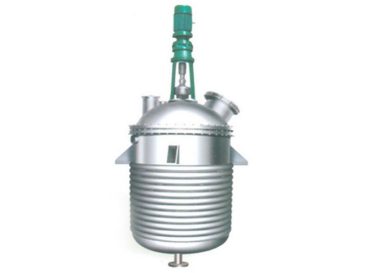
1. Overview of Oxidation Kettle
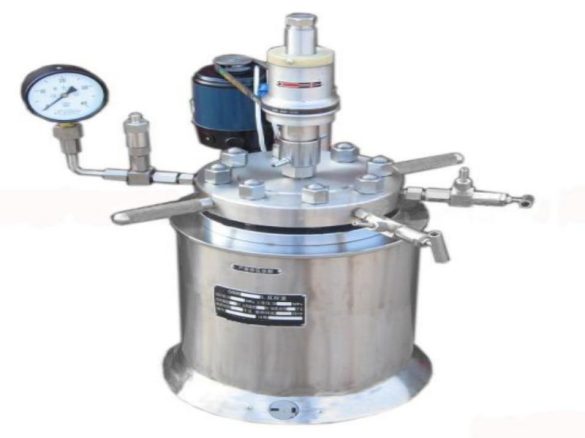
An oxidation kettle is generally a small-sized reaction vessel.
It serves as a container for chemical reactions in industrial production.
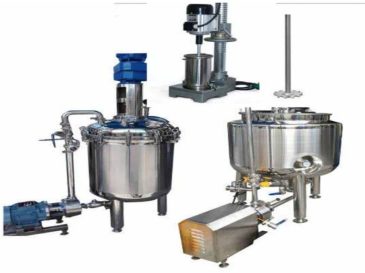
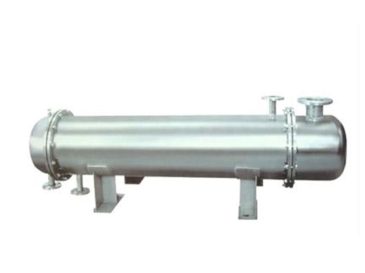
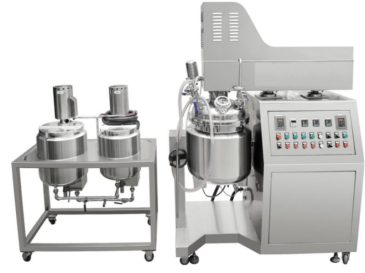
It has various forms to suit different needs.
Moreover, it adapts to a wide range of reaction conditions.
We can adjust its material, temperature, pressure, and other indicators as needed.
2. Application Scenarios
We use it to synthesize various resins.
For example, we first synthesize materials like computer motherboard substrates in the kettle.
Then we further process these materials.
In simple terms, it is a dedicated container for chemical reactions.
3. Reactor Body of Oxidation Kettle
We make the inner tank from SUS304 or SUS316L.
The outer heat-insulation shell is also SUS304.
We mirror-polish the inner surface of the stainless-steel tank.
We use a drawbench plate for the outer surface.
4. Classification by Jacket Heating Methods
We generally classify oxidation kettles by their jacket heating forms.
The main types include electric heating tube heating kettles.
They also include steam heating kettles and heat-conducting oil circulation heating kettles.
We can design and manufacture the jacket heat-exchange kettle’s openings and specifications.
This design is based on user requirements.
5. Bottom Structure of Oxidation Kettle
We process the bottom into an R angle through spinning.
We then weld and polish it with the inner tank.
This process ensures no dead corners on the bottom.
6. Composition of Agitation Device
The agitation device consists of several key components.
These components include a motor reducer and a motor base.
It also has an agitation shaft, agitator, and mechanical sealing device.
7. Configuration of Oxidation Kettle
We equip the oxidation kettle with multiple components.
It has a manhole, feed and discharge ports, and cooling/heating medium inlets and outlets.
Additionally, it includes standby ports, cleaning ports, and temperature gauge ports.
It also has pressure gauge ports and vacuum ports.
8. Process Openings of Inlet and Outlet Nozzles
We use a flanging process and arc transition for the joints.
These joints connect each inlet and outlet nozzle’s process openings to the inner tank.
This design makes the joints smooth and easy to clean.
It also ensures no dead corners and an attractive appearance.