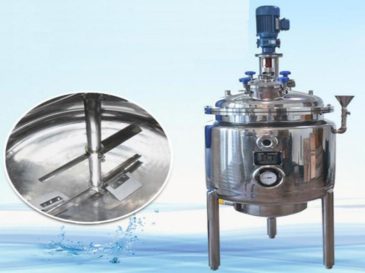
1. Core Function & Application Scope
The activated carbon decolorization tank uses activated carbon to adsorb pigments or impurities in materials. This process removes colors, fishy and foul odors from food additives, biological products, and oils, helping us achieve the purposes of removing impurities, purifying, and refining these materials.
Thanks to its excellent characteristics, activated carbon is suitable for processing various materials such as chemical auxiliaries, dye intermediates, and liquid medicine preparations.
2. Structural Characteristics
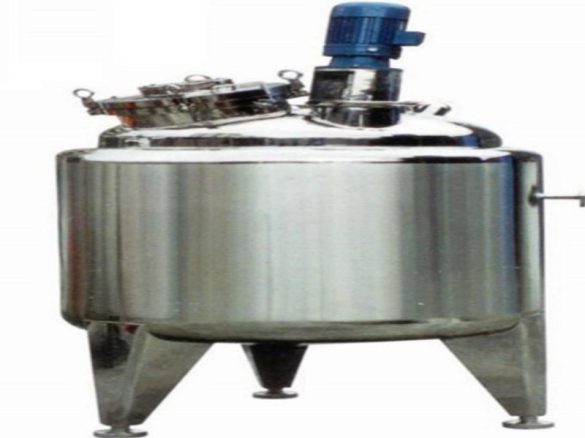
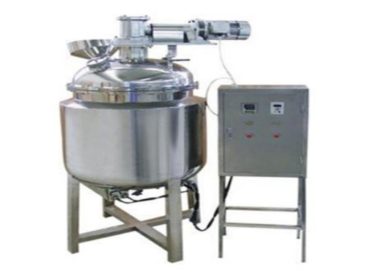
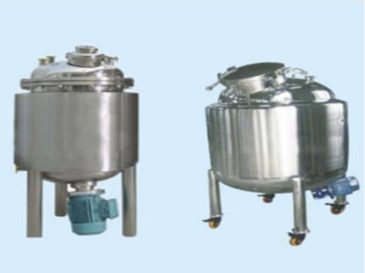
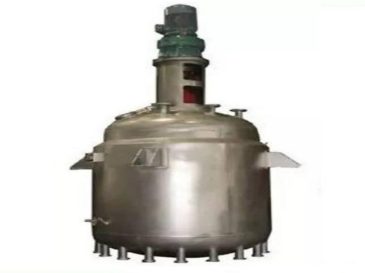
We design the activated carbon decolorization tank with a vertical closed structure, which ensures both hygiene and the activity of activated carbon.
The activated carbon decolorization tank is a stainless steel decolorization tank. We use an agitator and heating to mix materials, ensuring the adsorption and decolorization effect.
3. Feeding Methods & Activated Carbon Addition
We can load materials into the activated carbon decolorization tank either by vacuum feeding or manual feeding, depending on the amount of activated carbon added. We can add the activated carbon as a solid or wet material, with the specific choice depending on the usage conditions.
The amount of activated carbon added depends on the volume of the tank and the quantity of impurities or pigment-like substances.
4. Key Usage Notes
When using activated carbon for decolorization, we should add it after the solid substances are completely dissolved. Although colored impurities can dissolve in boiling solutions, some impurities will re-adsorb onto the crystals during cooling and crystallization, causing the product to be colored. Therefore, we should only add activated carbon for decolorization after the solid substances are fully dissolved.
We must never add activated carbon to the boiling solution in the activated carbon decolorization tank, as this will pose a risk of bumping. We should add it before boiling!