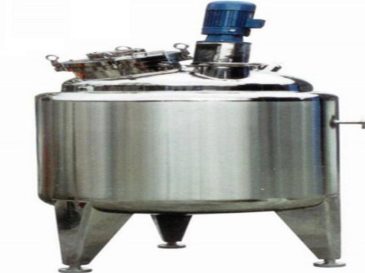
1. Overview of Polymerisation Kettle
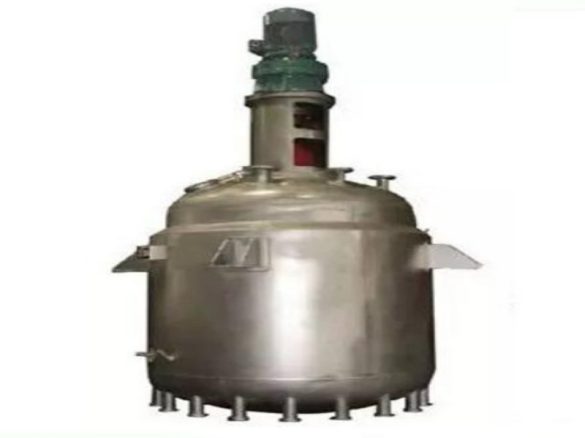
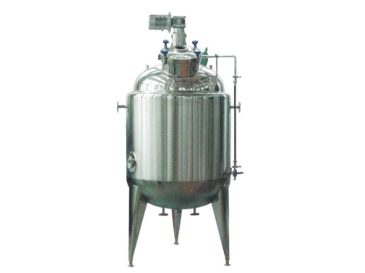
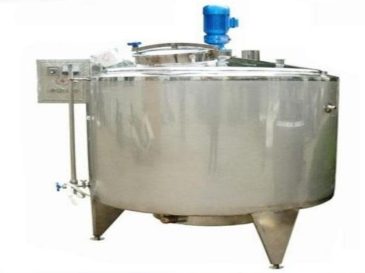
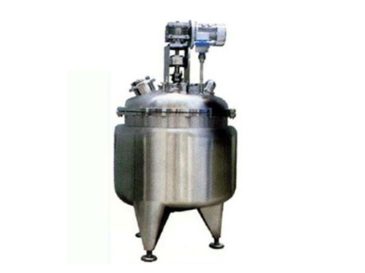
A polymerisation kettle is the main equipment for preparing polymer compounds. It is a chemical reaction vessel with a jacket. We can introduce steam or cold water through the jacket to heat or cool the kettle.
For emulsion polymerisation, a stainless steel polymerisation kettle has a horizontal flat-blade stirrer inside. The stirrer is made of stainless steel and driven by an electric motor via a transmission device and a reducer.
We usually make the outer wall of a stainless steel polymerisation kettle from stainless steel. Some kettles also have an enamel lining for extra protection. During polymerisation, we can use a single kettle for intermittent production or multiple kettles in series for continuous production.
We generally use stainless steel to make the polymerisation reactor. For the pharmaceutical industry, the kettle meets GMP requirements, and we polish its inner surface to a mirror finish.
2. Structure and Material Requirements
A stainless steel polymerisation kettle consists of several key parts: kettle cover, cylinder body, jacket, stirrer, shaft-sealing transmission device, and supports.
We use 0Cr18Ni9 or 1Cr18Ni9Ti stainless acid-resistant steel plates for the kettle body and all components that touch materials. We design, manufacture, and inspect the kettle in line with the technical requirements of GB150-2011 Pressure Vessels.
3. Application Scenarios
Stainless steel polymerisation kettles are widely used in various fields. Specifically, they are common in chemical laboratories, petrochemical enterprises, and the pharmaceutical industry.
4. Key Features and Customization
A polymerisation kettle is a type of reaction kettle, and its design varies based on different material reactions. It has the advantages of low investment and easy operation.
We offer multiple stirring types for the kettle, including anchor-type, paddle-type, turbine-type, propeller-type, and frame-type. We can design and manufacture the kettle according to user needs, such as adjusting the number of openings and specifications.
It is suitable for various chemical reactions, including decomposition, synthesis, cracking, polymerisation, and esterification of organic compounds. The kettle’s specifications range from 5L to 10000L to meet different production needs.