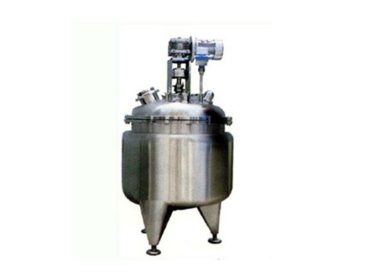
1. Overview and Alternative Names
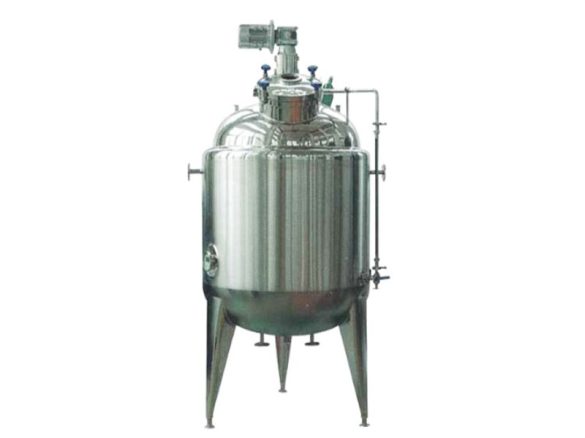
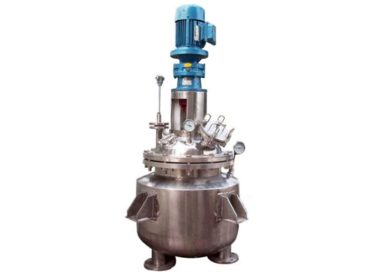
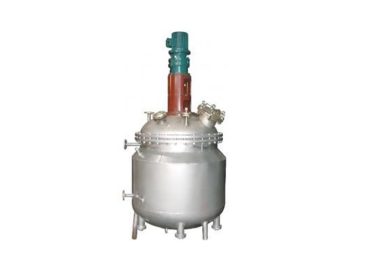
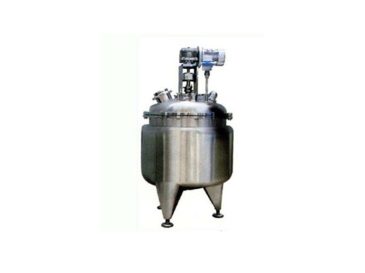
A hydrothermal synthesis reactor has multiple alternative names. These include polymerization reactor, digestion tank, high-pressure digestion tank, and high-pressure tank.
It is also called reactor, pressure dissolution bomb, hydrothermal kettle, and experimental reactor. Essentially, it is a sealed container capable of decomposing insoluble substances.
2. Core Functions and Applications (I)
It has a wide range of uses in sample pretreatment and small-scale reactions. For instance, it can be used for sample pretreatment in atomic absorption spectroscopy and plasma emission analysis.
Additionally, it is suitable for small-scale synthesis reactions. It can also leverage the tank’s internal environment to digest insoluble substances quickly.
This environment features strong acid or base, high temperature, high pressure, and airtightness. Moreover, it is used for sample pretreatment in various chemical analysis methods.
These methods include gas phase, liquid phase, plasma spectroscopy mass spectrometry, atomic absorption, and atomic fluorescence. It also serves as a reliable assistant for digesting samples.
This is particularly useful when detecting trace elements and microelements.
3. Core Functions and Applications (II)
It has further applications in heavy metal element determination. Specifically, it can be applied to detect lead, copper, cadmium, zinc, calcium, manganese, iron, and mercury.
Beyond that, it acts as a corrosion-resistant, high-purity reaction container. It is also suitable for organic synthesis, hydrothermal synthesis, and crystal growth.
Additionally, it can be used for sample digestion and extraction. It is widely used for sample pretreatment digestion of various substances.
These substances include heavy metals, cyanide residues, food, sludge, rare earths, aquatic products, and organic matter.
4. Industry Applications
Due to its diverse functions, it is widely used in many fields. These include research and production departments of petrochemicals, biomedicine, and materials science.
It is also applied in geochemistry, environmental science, food science, and commodity inspection departments.