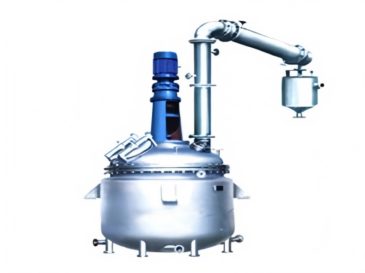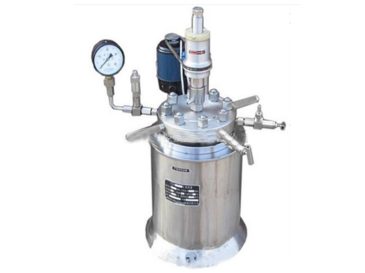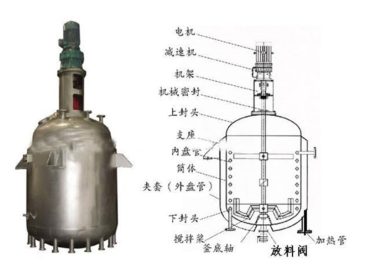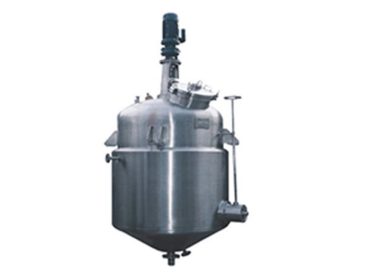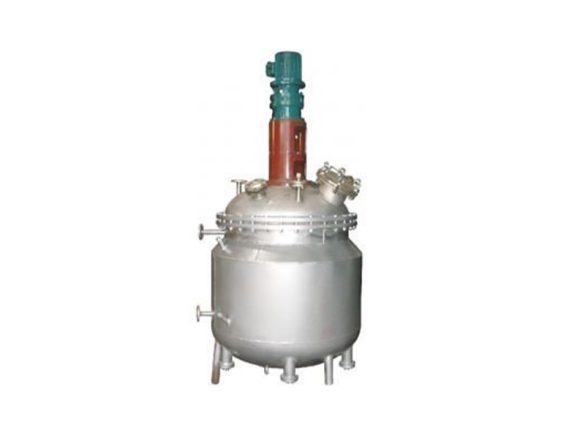
They come in various shapes and are suitable for different reaction conditions. The material, temperature, and pressure of the hydrogenation kettle are also according to the needs.
Hydrogenation kettles are small reactors for industrial reactions.
They come in diverse shapes to fit different reaction conditions.
We choose their material, temperature, and pressure based on production needs.
We use hydrogenation kettles to synthesize various resins.
They produce base materials for computer motherboards.
They also make materials for printing and writing products.
In short, they act as containers for chemical reactions.
We build the inner tank with SUS304 or SUS316L stainless steel.
The outer insulation shell uses SUS304 material.
We polish the inner surface to a mirror finish.
We apply a brushed finish to the outer surface.
We classify hydrogenation kettles by jacket heating type.
Types include electric heating tube, steam, and thermal oil circulation.
We design and manufacture hole quantity and specifications per user needs.
We shape the reactor bottom into an R-form through spinning and welding.
We polish it to eliminate dead corners completely.
The agitation system includes several key parts.
It has a motor reducer, motor base, stirring shaft, and agitator.
It also uses a mechanical seal device for reliable operation.
The reactor includes multiple functional ports.
These are manhole, feed/discharge port, and medium inlet/outlet.
It also has spare port, cleaning port, temperature and pressure gauge ports.
A vacuum port is included for special process requirements.
We round all inner tank holes and welds with turning technology.
The surface remains smooth and easy to clean without dead angles.
This processing also creates an attractive overall appearance.