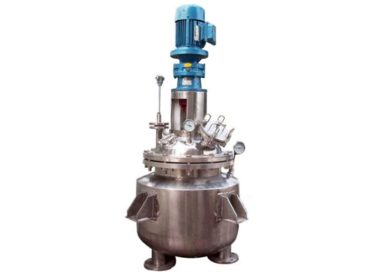
1. Overview and Composition
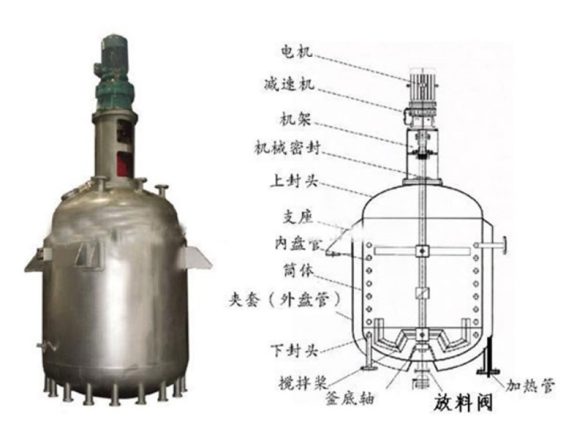
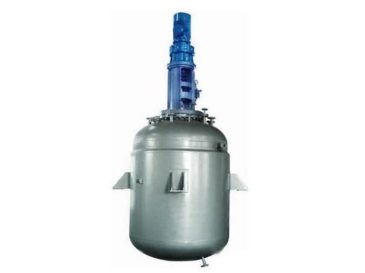
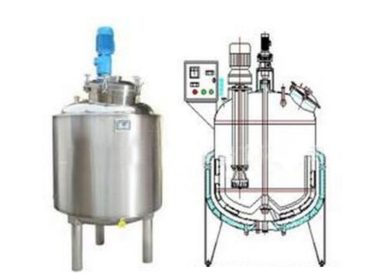
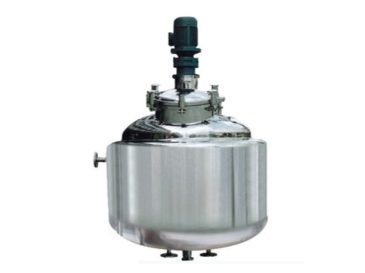
A jacketed reactor consists of multiple core components. These include a reactor body, agitator, transmission device, and shaft seal device.
It also has supports (legs), a manhole, process connection pipes, and some accessories. Additionally, it is widely suitable for material mixing and blending.
Its main application fields include pharmaceutical, food and beverage, and chemical industries.
2. Jacket Design and Customization
The jacketed heat exchanger reactor features a hollow jacket design. Inside this jacket, cold and hot media circulate continuously.
This circulation provides the necessary heat for material mixing and blending. Moreover, we can design and customize its specifications.
The customization is fully based on the user’s specific needs.
3. Agitator Structure and Customization
The agitator is composed of a stirrer and a stirring shaft. The stirring form of the jacketed heat exchanger reactor depends on process design.
Common stirring forms include anchor, paddle, worm gear, propeller, and frame types. Furthermore, we can customize the stirrer.
The customization is tailored to the user’s material conditions.
4. Transmission Device Composition
The reactor is equipped with a transmission device to drive the agitator. This device mainly includes a motor, gear reducer, coupling, and transmission shaft.
5. Classification by Jacket Heating Form
We generally classify jacketed heat exchanger reactors by their jacket heating form. The main types are electric heating tube, steam, and thermal oil circulation heating reactors.
We can design and manufacture the number of holes, specifications, and other requirements. These are all based on the user’s specific demands.
6. Design and Manufacturing Standards
Steam-heated reactors are generally pressure vessels. In contrast, thermal oil circulation, water bath circulation, and electric heating reactors are usually atmospheric vessels.
We design and manufacture pressure vessels strictly in accordance with GB150-2011 “Pressure Vessel” and “Vessel Code” standards.
Atmospheric vessels follow the “Atmospheric Pressure Vessels” NB/T47003-2009 standard. Additionally, we design and manufacture the agitator strictly according to relevant standards.