1. Overview of Self-Controlled Reactors
Self-controlled reactors achieve multi-functional control. Specifically, they control temperature, pressure, level, stirring, feeding, and material input and output.
They are intelligent reactors with a high degree of automation. Users only need to input the operation steps.
Then, the reactor will operate automatically under the required conditions. Additionally, users provide their production process.
Based on this provided production process, we customize the equipment.
They are intelligent reactors with a high degree of automation. Users only need to input the operation steps.
Then, the reactor will operate automatically under the required conditions. Users provide their production process.
We customize the equipment based on this provided production process.
2. Main Components
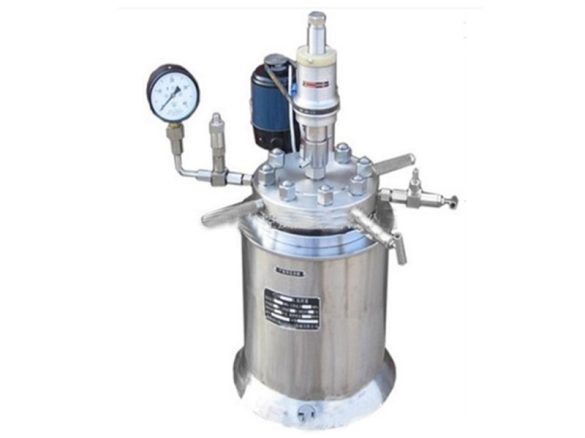
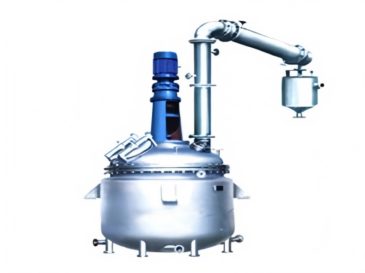
Self-controlled reactors consist of several key components. These include a reactor body, a reactor cover (head), and an outer half-jacket.
In addition to these, they also include an upper mechanical agitator, a transmission device, and an axial seal device.
Furthermore, they are equipped with support legs, process ports, and insulation media.
They also include an upper mechanical agitator, a transmission device, and an axial seal device.
Additionally, they have support legs, process ports, and insulation media.
3. Reactor Body Configuration
The reactor body is equipped with various functional parts. These include manholes, material input ports, and material output ports.
Besides these, it also has sight glasses, spotlights, breathing ports, pressure gauges, and temperature sensors.
Furthermore, it is fitted with cold and hot medium inlets and outlets. According to user requirements, we can add or reduce process ports.
It also has sight glasses, spotlights, breathing ports, pressure gauges, and temperature sensors.
Furthermore, it has cold and hot medium inlets and outlets. We can add or reduce process ports according to user requirements.
4. Control Part Functions
The reactor’s control part covers multiple aspects. For instance, it includes stirring speed, level display, and temperature and pressure display.
It also takes charge of material input and output. Additionally, it can monitor data online in real-time.
For operators, this real-time monitoring is convenient and fast.
It also controls material input and output. It can monitor data online in real-time.
This real-time monitoring is convenient and fast for operators.
5. Working Principle
When the reactor connects to the power supply, its sensors start working. These sensors monitor temperature, speed, pressure, and other parameters.
Subsequently, they transmit corresponding signals to the reactor control cabinet. The control cabinet then displays these signals clearly.
At the same time, it compares the temperature signal with the set temperature. Then, it adjusts the heating power according to the PID rule.
This adjustment ensures the actual temperature matches the set temperature. Similarly, it compares the speed signal with the set speed.
It adjusts the motor speed via the PID rule to match the set speed. As for pressure, it compares the pressure signal with the set value.
If the pressure exceeds the set value, it gives an alarm. This alarm reminds the operator to handle the issue in time.
Moreover, it can perform automatic feeding control. Once the material in the reactor fully reacts, it can also discharge automatically.
They transmit corresponding signals to the reactor control cabinet. The control cabinet then displays these signals clearly.
At the same time, it compares the temperature signal with the set temperature. It adjusts the heating power according to the PID rule.
This adjustment ensures the actual temperature matches the set temperature. Similarly, it compares the speed signal with the set speed.
It adjusts the motor speed via the PID rule to match the set speed. For pressure, it compares the pressure signal with the set value.
If the pressure exceeds the set value, it gives an alarm. This alarm reminds the operator to handle the issue in time.
Moreover, it can perform automatic feeding control. After the material in the reactor fully reacts, it can also discharge automatically.
6. Fault Alarm Function
Self-controlled reactors are a very complete device. If a control instrument in the reactor fails, the control cabinet will give an alarm.
In addition, it prompts maintenance personnel to intervene in time. Ultimately, this ensures the reactor operates safely and stably.
It also prompts maintenance personnel to intervene in time. This ensures the reactor operates safely and stably.