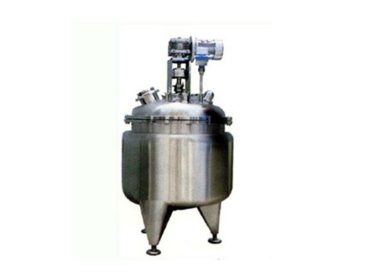
1. Material and Manufacturing Standards
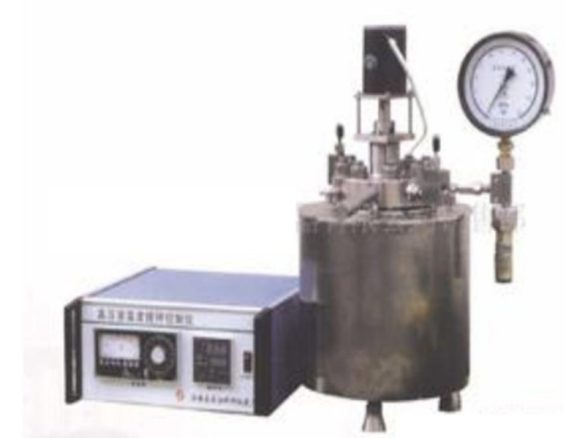
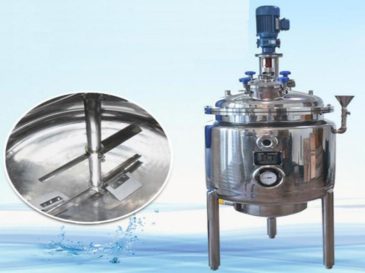
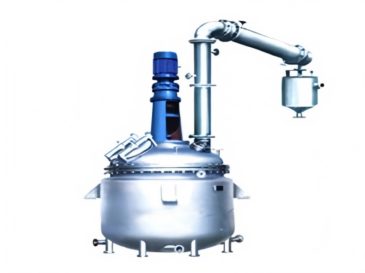
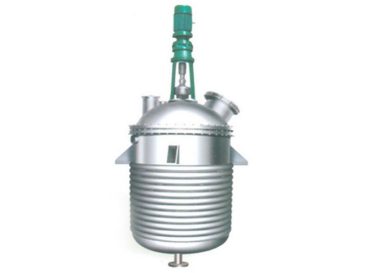
We make the reactor body from 304 or 316L stainless steel.
It can resist a working pressure of 6MPa.
Its working temperature stays below 400°C.
We design, select materials for, and manufacture the high-temperature and high-pressure reactor according to URS requirements.
Due to its high temperature and pressure requirements, we must manage it strictly.
We follow GB150 and relevant pressure vessel manufacturing and inspection standards.
2. Heating System
The high-temperature and high-pressure reactor uses direct heating around its large surrounding area.
This heating method is simple and convenient.
It also features fast temperature rise and strong usability.
We use a series of electric heating fiber furnaces or electric heating rings for direct heating and temperature control.
The heating power ranges from 300W to 500W.
Its temperature control accuracy reaches ±1°C.
3. Valves, Pipe Fittings and Display Functions
We equip the reactor with imported original valves and pipe fittings.
All interfaces adopt standard configurations for consistency.
Both stirring speed and temperature feature digital display.
The stirring speed ranges from 0 to 1500RPM.
Its speed accuracy is ±1RPM, ensuring precise control.
4. Sensor Configuration
We select a patented plug-in needle-type K-type sensor for the reactor.
As mentioned earlier, its working temperature is below 400°C.
The sensor’s display accuracy is ±1°C for reliable data.
5. Standard Configuration
The reactor’s standard configuration includes several key components.
These components include a stirring device and a pure titanium reactor body.
It also comes with an electric heating fiber furnace and a plug-in needle-type K-type sensor.
6. Additional Functions
You can fill the reactor with inert gas during operation.
This gas protects reactants from direct contact with air.
Additionally, you can insert sensors for temperature, pressure, pH value, and conductivity.
These sensors ensure accurate measurement of relevant data.