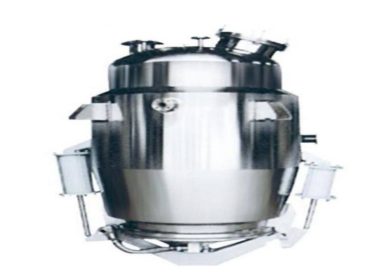
1. Overview of Jacketed Heating Extraction Tank
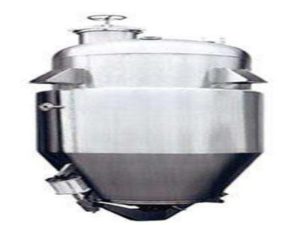
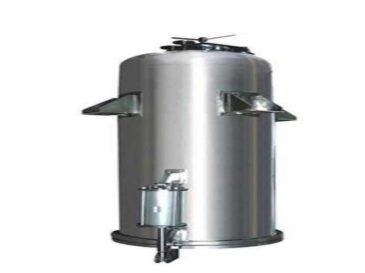
As the name suggests, a jacketed heating extraction tank uses a jacket for heating, extraction, dissolution, and reaction processes. We design it as a standard jacketed device.
We use steam as the heating medium for heat exchange. This design lets the tank perform both heating and cooling functions.
Heating usually accelerates reactions. It also improves extraction efficiency significantly.
Among various extraction tank types, the jacketed heating one is the most commonly used. It ranks alongside direct electric heating extraction tanks in popularity.
2. Core Advantages and Application Reasons
The jacketed heating extraction tank gains widespread application due to its obvious advantages. First, steam heating offers fast heating speed.
It also ensures uniform temperature distribution throughout the tank. Besides, factories often use steam as a unified heat source.
This unified heat source facilitates management. It also makes the equipment convenient to operate.
3. Key Features of Jacketed Heating
The jacketed heating extraction tank relies on steam for heating. It boasts fast heating speed and uniform temperature distribution.
Since it operates at high heating temperatures, we install an insulating layer outside. This layer ensures excellent heat preservation.
It also minimizes heat loss. Ultimately, this design achieves energy-saving effects.
4. Customization and Structural Design
4.1 Non-Standard Customization
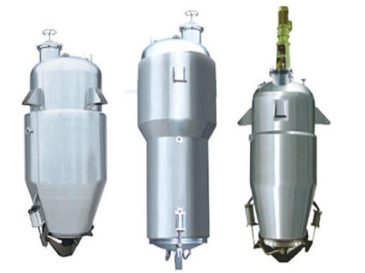
We offer non-standard customization for the tank’s structure. For pressurized extraction tanks, we usually adopt an upper elliptical head.
This elliptical head provides superior pressure resistance. It suits the working conditions of pressurized extraction.
4.2 Aspect Ratio Design
We can adjust the height-to-diameter ratio of the tank. We make this adjustment based on material properties and reaction conditions.
This flexibility ensures the tank adapts to different production needs.
4.3 Integrated Ports Configuration
We equip the tank with a full set of integrated ports. These include an inlet, slag discharge door, and liquid outlet.
It also has a cleaning port, sterilization port, and steam inlet/outlet. Additionally, we add a backblow port for added functionality.
5. Detailed Port and Component Functions
5.1 Inlet Configuration
We determine the inlet size based on two factors. These are the liquid volume and the inlet pump capacity.
This ensures the inlet matches the production flow and pump performance.
5.2 Slag Discharge Door
We use a rotary cylinder and lifting cylinder to operate the slag discharge door. These cylinders control its rotation and opening.
We also add a locking device for self-locking. This design ensures high safety and simple operation.
5.3 Cleaning Port
The cleaning port enables 360° all-around online cleaning. It has a large cleaning diameter.
This ensures thorough cleaning without any residue left behind.
5.4 Sterilization Port
The sterilization port allows direct access to clean steam. This steam serves two purposes.
It can sterilize the tank. It also accelerates reaction heating when needed.
5.5 Backblow Port
The backblow port effectively prevents material blockage. It solves common clogging and residue issues.
5.6 Stirring System
We can configure a stirring system based on customer needs. This system accelerates extraction efficiency.
It also enhances the extraction effect of materials.
5.7 Peripheral Equipment
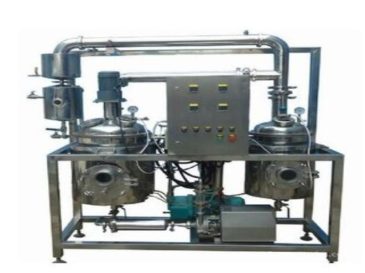
The tank can be paired with various peripheral equipment. This includes condensers, coolers, and oil-water separators.
It can also work with circulation pumps. These peripherals effectively separate different components during extraction.