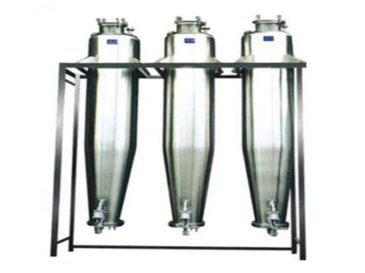
1. Overview and Core Advantages
We use plant extraction tanks to extract and collect effective components from plants in fields such as biopharmaceuticals, food, health products, and cosmetics. Specifically, we design these tanks to adopt multiple extraction processes to meet different production needs.
Common processes include normal pressure, micro-pressure, water decoction, warm soaking, thermal reflux, forced circulation, and percolation. Additionally, these tanks feature high extraction efficiency and convenient operation, making them special equipment for traditional Chinese medicine production.
2. Composition of Plant Extraction Tank System
2.1 Overall System Components
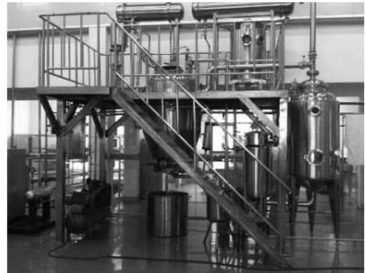
A complete plant extraction tank system consists of several key components, including an extraction tank, a distillation tank, a hanging basket, a vegetable oil collector, a cooler, a condenser, a material liquid pump, a pipeline filter, and internal connecting pipelines.
For the small-sized vegetable oil collector, we design it with a laboratory-level glass multi-pipeline structure. The small diameter of the glass pipeline specifically helps facilitate the separation, extraction, and collection of plant essential oils.
2.2 Core Structure of the Extraction Tank
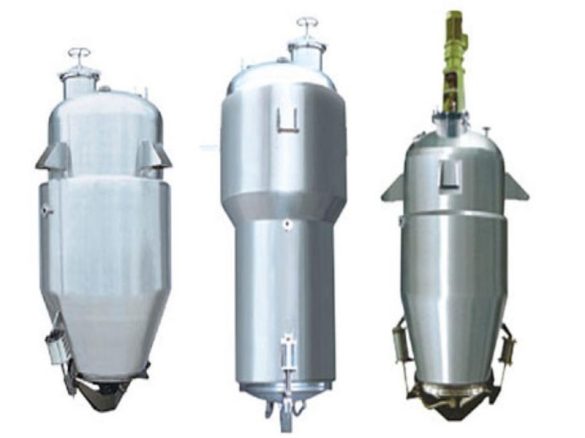
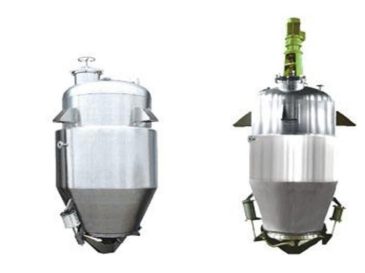
The extraction tank itself is composed of inner and outer cylinders, a jacket, a thermal insulation layer, an oil-water separator, a demister, a filter, a cooler, a temperature measuring hole, a CIP automatic rotating spray ball, lugs, a slag discharge port, and a cylinder console.
We use rock wool as the thermal insulation material for the thermal insulation layer, which not only provides good thermal insulation performance but also ensures a long service life of the equipment.
3. Material Selection and Key Configurations
We use high-grade SUS304/316L stainless steel to make the inner cylinder of the extraction tank. Meanwhile, we adopt a fully enclosed mode for the jacket and use SUS304 matte thin steel plate for the outer cylinder.
To enhance its functionality, we equip the tank with various related equipment, such as a CIP automatic rotating spray ball head, a temperature measuring hole, an explosion-proof vision lamp, a sight glass, and a quick-opening feeding port.
These configurations give the tank the characteristics of uniform solvent distribution, convenient slag discharge, and easy operation. Moreover, we design the tank to meet national GMP pharmaceutical manufacturing standards, ensuring it is safe and reliable for use.
4. Common Extraction Processes
4.1 Water Extraction Process
First, we put water and raw materials into the plant extraction tank in a certain proportion. Then, we open the jacket steam stop valve to start heating and extraction. During the extraction process, the raw materials in the tank generate a large amount of steam containing the essence of vegetable oil.
We guide this steam through the demister to the condenser for condensation, and then into the oil-water separator. The condensed liquid flows back into the vegetable oil collector, and we repeat this cycle until the extraction is terminated.
When the extract meets the requirements specified by the extraction process, we stop heating. This operation method has the advantages of convenient operation and high extraction efficiency.
4.2 Alcohol Extraction Process
We add ethanol and plant medicinal materials into the tank in a certain proportion, and then perform airtight treatment on the plant extraction tank. Next, we open the jacket inlet valve to supply steam for heating and extraction.
During the extraction process, a large amount of steam generates inside the tank. We discharge this steam from the steam port, capture it with the demister, and then send it to the condenser for condensation.
After condensation, we send the steam to the cooler for further cooling, and then into the gas-liquid separator for separation. The residual gas escapes from above the condenser, while the liquid flows back into the extraction tank.
We continue this cycle until the extraction is terminated, and stop heating once the extract meets the process requirements.
4.3 Oil Extraction Process
We add plants containing volatile oil (taking traditional Chinese medicine as an example) into the plant extraction tank. Then, we open the oil-water separator and its circulation valve, and close the bypass reflux valve.
When we open the jacket steam valve and the temperature reaches the volatilization temperature, we open the cooler for cooling treatment. The cooled medicinal liquid maintains a certain liquid level difference in the separator to separate from water effectively.
4.4 Forced Circulation Process
During the extraction process, we can use a pump for forced circulation of the plants to improve extraction efficiency. However, we do not recommend forced circulation when extracting plants with high starch content and high viscosity.
We discharge extracts such as vegetable oil from the liquid discharge pipe at the lower part of the tank body, filter them through a filter, and then pump them back into the tank body for reflux extraction.
5. Process Nozzles and Customization
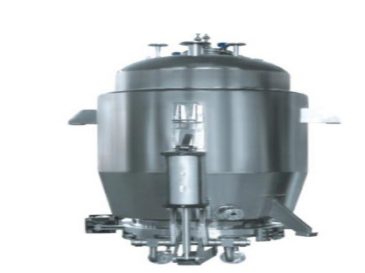
We equip the equipment tank with various process nozzles to meet different operational needs, including a manhole, a breathing port, a feeding port, a discharging port, a sight glass, a spotlight, a CIP (equipped with a sanitary universal cleaning ball), an SIP port, a sterile sampling port, a temperature gauge, a temperature sensor, and inlets and outlets for cold and hot media.
In addition, we can design and install the nozzles of the plant extraction tank according to customer needs, ensuring the equipment adapts to specific process requirements.
6. Application Scope
The plant extraction tank has a wide application scope. Specifically, we can use it not only for the extraction and concentration of plant essential oils but also for the extraction and concentration of Chinese herbal medicines, cosmetics, and other related products.