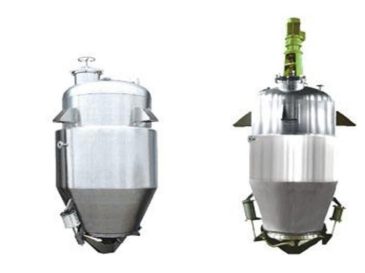
1. Overview and Basic Definition
We also refer to static extraction vessels as static multi-functional extraction vessels. Specifically, they are non-stirring static extraction equipment designed for diverse industrial applications.
Additionally, we widely use them in multiple industries. These industries include Chinese herbal medicine, plant, animal, food, biological medicine, and chemical fields.
Furthermore, they are suitable for various processes, such as atmospheric pressure, reduced pressure, pressure, water decoction, percolation, forced circulation, thermal reflux, volatile oil extraction, and organic solvent recovery.
2. Core Advantages and Main Types
2.1 Key Functional Advantages
We design static extraction vessels to achieve vacuum reduced pressure extraction. This function helps lower the boiling point of materials, optimizing the extraction process.
2.2 Main Forms of Static Extraction Vessels
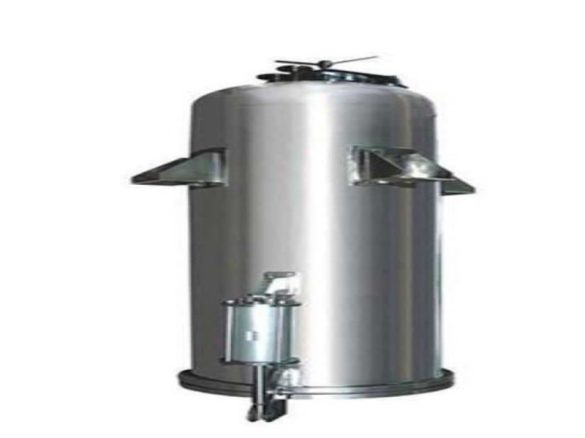
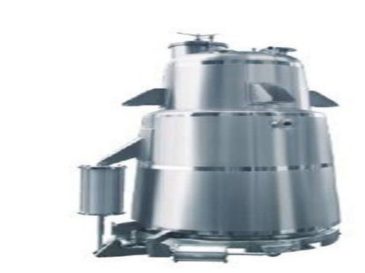
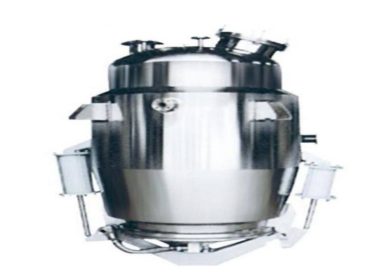
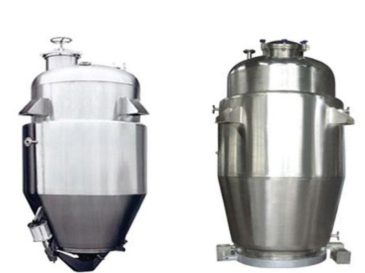
We categorize static extraction vessels into four main types. Specifically, these types are positive cone-type, inclined cone-type, straight cylinder-type, and mushroom-type extraction vessels.
Among these four types, we use the positive cone-type extraction vessel most frequently, mainly due to its practicality and strong adaptability.
3. Dual Usage of Static Extraction Vessels
The four main types of static extraction vessels—positive cone-type, inclined cone-type, straight cylinder-type, and mushroom-type—can all function as static extraction equipment.
Additionally, we can equip them with different stirrers, and this modification allows them to serve as dynamic extraction vessels, thereby expanding their application scope.
4. Structural Advantages and Extraction Efficiency Improvement
Static extraction vessels have a lower height than dynamic extraction vessels, and this design makes them suitable for factories with limited plant height.
Although they do not have stirrers, we can improve their extraction efficiency and yield through various methods. For example, these methods include increasing the heating temperature, using pumps for forced circulation, and injecting direct steam into the slag discharge door.
5. Components of a Complete Static Extraction Vessel Set
5.1 Main Components
A complete set of static extraction vessels mainly consists of seven core components. Specifically, these components are the main tank (extraction tank), foam trap and defoamer, condenser, cooler, oil-water separator, filter, and pump.
5.2 Key Component Functions
The extraction tank, as the main tank, is the core equipment for extraction reactions. We carry out processes such as raw material cooking, heating, cooling, evaporation, reflux, and oil removal here.
We equip the extraction tank with a rotary locking slag discharge door for discharging, and this door is convenient, efficient, and safe to operate.
The top of the foam trap has a quick-opening structure, and this structure facilitates the disassembly of the defoaming structure, which is also easy to disassemble and clean.
We design the condenser, cooler, vapor-liquid separator, filter, and other components according to actual working conditions. For instance, these conditions include working pressure, heat exchange area, shell side wall thickness, and tube specifications.
6. Equipment Configuration and Material Selection
We equip static extraction vessels with multiple practical components. For example, these include CIP cleaning automatic rotating cleaning balls, real-time online temperature display, pressure gauges, explosion-proof sight lights, sight glasses, and quick-opening feeding ports.
All these configurations ensure easy operation and compliance with GMP standards. Meanwhile, we make the inner cylinder of the equipment from high-quality stainless steel SUS304 or SUS316L.
We adopt aluminum silicate, rock wool, polyurethane, or other materials as the insulation medium. Additionally, we cover the insulation medium with a stainless steel cladding, which makes the equipment beautiful and elegant.
7. Operation Process of Static Extraction Vessels
7.1 Preliminary Preparation and Feeding
After completing the preliminary preparations, we put the medicinal materials into the tank through the feeding port at the top of the tank. Then, we open the water inlet valve and add an appropriate amount of water (or organic solvent) according to the preparation process requirements.
The amount of water or solvent added is usually about 5-8 times the amount of the medicinal materials. Besides that, we also leave a certain amount of space in the tank after adding the medicinal materials and water.
7.2 Heating and Aromatic Oil Extraction
We turn on the steam for the heating jacket of the extraction tank. If we need rapid heating, we can open the direct steam valve simultaneously to quickly heat the contents to boiling.
After the solution in the tank boils, the solution vapor—carrying aromatic oils with lower boiling points—rises to the condenser. Subsequently, it flows through the cooler to the oil-water separator.
We separate and collect the aromatic oils for later use based on the principle of different specific gravities of oil and water. After collecting most of the oil, we return the solvent in the oil-water separator to the extraction tank to maintain the solution volume in the tank.
7.3 Multi-Stage Extraction Process
The boiling time for the first extraction is approximately 2 hours. After completing the first extraction, we turn off the steam, open the liquid discharge valve, and pump the extract from the tank through the filter to the storage tank.
We then add solution for the second extraction and proceed as in the first extraction for about 1 hour and 30 minutes. After that, we combine this liquid with the first extraction.
Next, we add solution for the third extraction and proceed similarly for 40 minutes to 1 hour. Finally, we combine all three extracts to ensure thorough extraction.
7.4 Post-Extraction Operations
When the solution in the extraction tank becomes colorless—indicating that most of the active ingredients have been extracted—we allow the residual liquid to drain naturally. Then, we open the slag discharge door to remove the medicinal residues.
If we use ethanol as the extraction solvent, after filtering the liquid from the third extraction, we add an appropriate amount of water. Then, we turn on the steam to recover the ethanol solvent for use in subsequent batches before removing the medicinal residues.
After removing the medicinal residues, we open the cleaning valve for in-place cleaning (CIP). Once cleaning is complete, we close the discharge door to prepare for the next batch of materials.