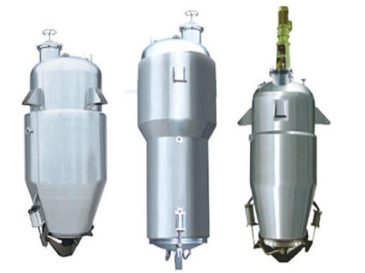
1. Pre-Extraction Preparation
1.1 Preparatory Cleaning and Sterilization
First, we thoroughly clean the tank interior. After that, we sterilize it to ensure no contamination occurs during extraction, as hygiene is critical for subsequent processes.
1.2 Feeding Materials
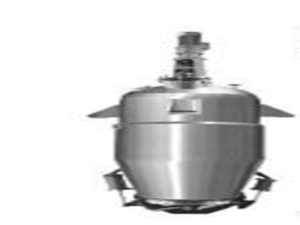
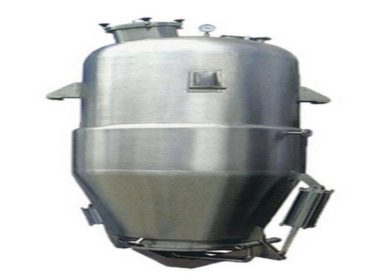
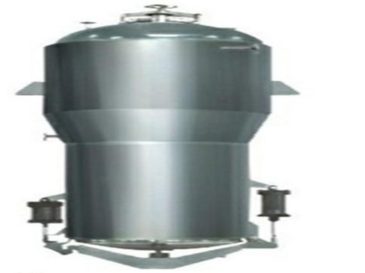
To begin feeding, we load bones or bone fragments into the tank through the upper feeding port. Right after that, we open the water inlet valve to add water (or organic solvent) as required.
Per the preparation process specifications, the water volume should be 5 to 8 times the volume of the bones. Besides that, we need to leave a certain space in the tank.
This reserved space is essential because it prevents overflow caused by foam generation during the heating process, ensuring safe and stable operation.
2. Extraction Operation Steps
2.1 Heating and Extraction
We start by turning on the steam for the tank jacket. To speed up the heating process, we also open the direct steam valve inside the tank.
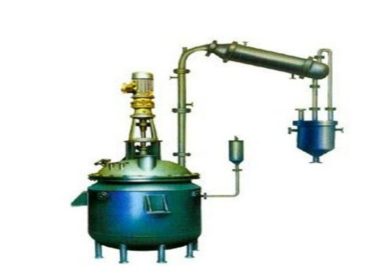
This dual steam supply allows the solution to boil quickly. Once the solution reaches a boil, steam (carrying low-boiling-point oil components) rises up to the condenser.
Subsequently, the steam flows through the cooler and then into the oil-water separator. Based on the different specific gravities of oil and water, we separate and collect the oil in the separator.
After collecting most of the oil, we return the solvent from the separator to the tank, which helps maintain the required solution volume for continuous extraction.
2.2 First Extraction Discharge
Once the first extraction is complete, we close the steam valve immediately. Next, we open the liquid discharge valve and filter the extracted liquid carefully.
We then transfer the filtered liquid to the storage tank for later use. Notably, most bone extracting tanks are equipped with a stirring system, which ensures thorough extraction of active ingredients.
2.3 Subsequent Extractions
For the second extraction, we add fresh solution to the tank first. After that, we extract it using the same method as the first extraction, lasting about 1.5 hours.
Once the second extraction finishes, we combine this extract with the first batch. Moving on to the third extraction, we add solution again and extract it for 40 minutes to 1 hour.
Finally, we combine all three batches of extract to ensure full extraction of active ingredients, maximizing the utilization of raw materials.
2.4 Residue Discharge and Cleaning
After finishing all extractions, we open the slag discharge door to remove bone residues—but only after confirming that the essence substances have fully dissolved.
Following that, we perform in-place cleaning (CIP) by opening the cleaning valve. Once cleaning is done, we close the discharge door and get everything ready for the next batch.
3. Operation Precautions
3.1 Operation Pressure & Temperature Control
To ensure safe operation, we strictly follow the working pressure and temperature specified on the product nameplate. This strict adherence avoids potential hazards caused by overpressure or overheating.
3.2 Maintenance & Lubrication
We adhere closely to the cooling, oil injection, and other requirements outlined in the product manual. This practice not only ensures proper equipment maintenance but also extends its service life effectively.
3.3 Valve Operation
When using any valve, we need to rotate the valve stem (needle) slowly to press the sealing surface tightly. Importantly, we must avoid excessive force when closing the valve, as this could damage the sealing surface.
3.4 Electrical Control & Safety
Only designated personnel are allowed to operate the electrical control instruments. Additionally, we set up overload protection facilities as required, which ensures safe and stable operation of the equipment.
4. Installation Requirements
4.1 Installation Location
We install the extracting tank on a sturdy, level workbench, and we determine the workbench height based on actual operational needs.
To ensure smooth operation and maintenance, we leave at least 200 cm of space around the equipment. We also allocate additional space for material discharge, which facilitates both installation and future maintenance work.
4.2 Verticality Requirement
During installation, we must ensure the transmission shaft is perpendicular to the horizontal plane. Specifically, the non-verticality (tilt) must not exceed 1/1000 of the equipment’s total height to avoid operational issues.
4.3 Accessory Configuration
We ensure that the self-provided parts and safety valves on the equipment’s process pipes comply with the extracting tank’s specifications. This compliance guarantees both compatibility and operational safety.
4.4 Leakage Test
After installation, we first check all connection components and transmission parts to ensure they are firm and secure. Then, we conduct an airtight test on the connecting pipes, nozzles, seals, and the entire machine.
We confirm there are no bubbles, leaks, drips, or seepage before proceeding to the next step, ensuring the equipment is sealed properly.
4.5 Pre-Startup Checks
Before starting the equipment, we inject mechanical oil into the reducer. After that, we remove the motor protective cover and manually rotate the fan blade to check for any jams.
We also ensure the stirring paddle does not scrape the tank wall and thoroughly clean the kettle interior before startup. After that, we run the machine empty for 30 minutes.
If there is no abnormal noise or vibration during the empty run, we can put the equipment into formal production. Additionally, we replace the reducer oil regularly according to production conditions to maintain its performance.