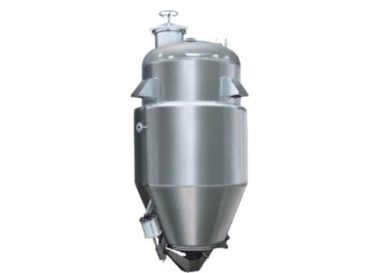
1. Company Overview and Product Scope
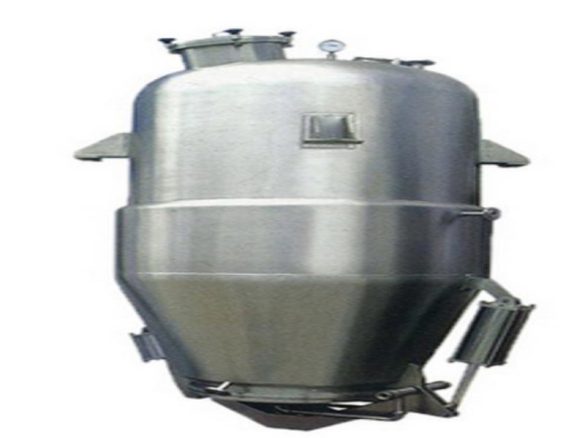
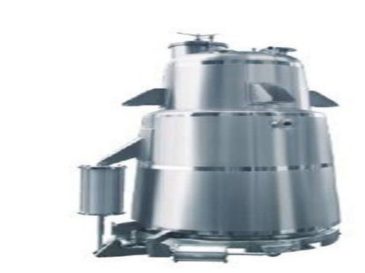
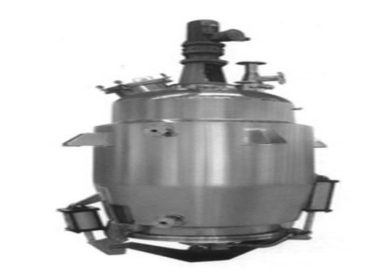
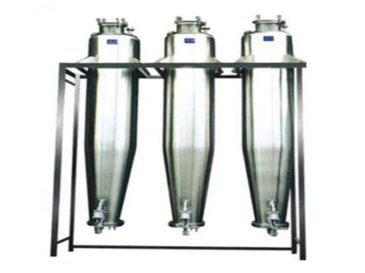
Our company specializes in the design and manufacturing of various extraction tanks. These include traditional Chinese medicine extraction tanks, multifunctional extraction tanks, and steam heating extraction tanks.
In addition to these models, we also produce electric heating extraction tanks, small-scale extraction tanks, and stainless steel extraction tanks. All our extraction tanks are welded with high-quality 304 or 316L stainless steel.
This material choice ensures the tanks have cleanliness, no dead corners, no residue, and no material accumulation, meeting industry hygiene standards.
2. Electric Heating Extraction Tank: Design Purpose and Core Features
We design and develop the electric heating extraction tank specifically for scientific research institutions and enterprises without steam access. Notably, it has several outstanding features that make it widely applicable across multiple fields.
For example, it offers rapid heating, high temperature resistance, and corrosion resistance. Furthermore, it causes no environmental pollution and features convenient operation for users.
We apply it in multiple processes across various industries, with key sectors including food, chemical, pharmaceutical, petroleum, rubber, and pesticide.
The applicable processes include extraction, infusion, decoction, and infiltration, making it a versatile piece of equipment.
3. Working Principle of Electric Heating Extraction Tank
We use electric heating tubes to achieve indirect heating and temperature control of the tank jacket. Specifically, these electric heating tubes heat the heating medium in the jacket, such as heat-conducting oil or water.
Once the medium reaches the set temperature, the system automatically powers off to maintain a constant temperature. As the medium temperature rises to a certain level, the materials in the tank also reach the corresponding temperature.
This allows us to indirectly control the temperature of the materials by regulating the temperature of the medium. To ensure optimal heating performance, we design and calculate the quantity and power of the electric heating tubes based on specific parameters.
These parameters include the tank’s volume, heating temperature, and temperature rise time, all of which are carefully considered to guarantee stable and efficient heating.
4. Application Scope and Limitations
The electric heating extraction tank has a high heating temperature and transfers heat via heating tubes. Its performance is affected by heating power, which limits its applicability for large-scale tanks.
Therefore, it is ideal for medium and small-sized applications, where it can fully exert its advantages of convenient operation and stable heating.
5. Tank Structure and Components
5.1 Main Structure
The electric heating extraction tank consists of several key components, including the head, cylinder, jacket, heater, agitator, mechanical seal, transmission device, and support.
We polish the inner surface of the tank to a mirror finish to ensure no sanitary dead corners. Meanwhile, the fully enclosed design keeps materials in a sterile and clean state throughout the process.
Depending on customer needs, we can treat the outer surface in three ways: polishing, cold-rolled matte finish, or sandblasting, each offering a different aesthetic and functional advantage.
5.2 Agitator Types
We offer various agitator types to meet different mixing needs, with options including paddle type, anchor type, ribbon type, and wall-scraping type.
Each type ensures the uniform mixing of materials within a short time, thereby improving extraction efficiency and product quality.
5.3 Optional Accessories
We provide a range of accessories to enhance the tank’s functionality, such as a sterile breather, CIP cleaning spray head, sight glass, and flange.
Additionally, we offer a sanitary quick-opening manhole, slag discharge door, and cylinder, all of which are designed to meet the rigorous demands of industrial operation.
5.4 Installation Form
We commonly use platform-type lug installation for the electric heating extraction tank. This is because the slag discharge door requires a certain height to place a slag discharge cart, ensuring smooth residue removal.
6. Installation and Operation Guidelines
6.1 Installation Requirements
We install the equipment on a sturdy and flat workbench, and we can determine the workbench height according to actual usage needs to ensure operational convenience.
During installation, we ensure the transmission shaft is perpendicular to the horizontal plane; this avoids operational issues and ensures stable equipment performance.
To ensure safe operation, we require users to equip self-provided components, such as safety valves, in accordance with process requirements.
6.2 Post-installation Inspections
After installation, we first check all connecting components and transmission parts to ensure they are firm and reliable.
Subsequently, we conduct airtightness tests on all connecting pipes, pipe openings, seals, and the entire electric heating extraction tank to prevent leaks that could affect operation.
6.3 Heating Medium Usage Specifications
We strictly prohibit impurities in the heating medium of the jacket. For instance, when using heat-conducting oil, we must not mix in water, acids, alkalis, or other impurities that could damage the equipment.
When using heat-conducting oil for the first time, we thoroughly remove all debris from the jacket. Moreover, the oil filling amount should be 70% of the jacket’s volume to ensure proper heating.
Users need to prepare a self-provided drainage tube (a plastic hose is acceptable) for convenient oil addition. Importantly, during use, users must keep the cap of the heat-conducting oil filling port open and not cover it to avoid pressure buildup.
6.4 Operational Prohibitions
Users must not turn on the heating power supply when there is no material in the tank and no heat-conducting oil in the jacket. This prevents damage to the equipment.
6.5 Heating Operation Requirements
During the first heating, users should raise the temperature slowly. This prevents oil and water vapor from boiling violently, ensuring safe operation.
6.6 Routine Maintenance Points
Users should regularly inspect the oil level of heat-conducting oil in the jacket and replenish it in a timely manner to maintain heating efficiency.
In addition, users should frequently check whether the electric heating rods are damaged to avoid uneven heating that could impact extraction results.
Additionally, users need to regularly inspect and clean the vent valves and pipes of the jacket and upper head to prevent blockage.
To avoid pressure buildup and potential hazards, users must ensure the upper opening of the expander remains unobstructed at all times.
7. Liability Statement
Users must install and use the equipment in strict accordance with the instructions in the operation manual. Our company will not bear any responsibility for issues arising from non-compliant operations; such issues shall be borne by the user.
8. Translation Notes
We adhere to industry terminology for key terms, such as “airtightness test” and “heat-conducting oil.” Furthermore, we convert exclamation marks in the original text to objective statements to maintain formal writing standards suitable for technical documentation.
We adhere to industry terminology for key terms, such as “airtightness test” and “heat-conducting oil.” We convert exclamation marks in the original text to objective statements to maintain formal writing standards.