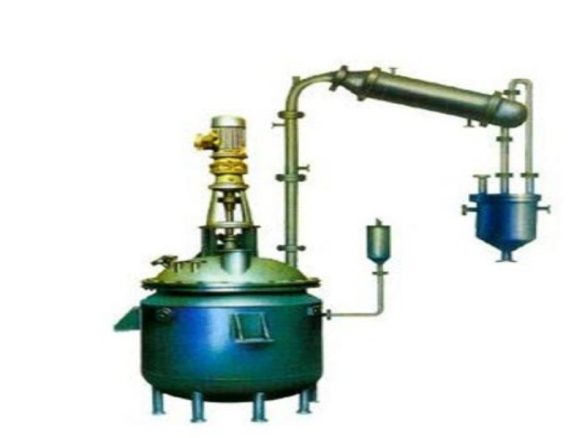
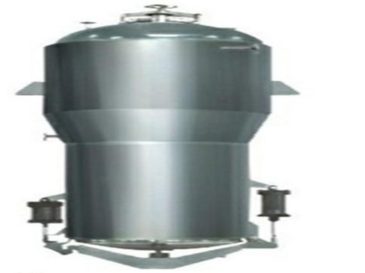
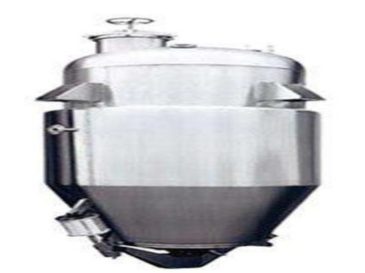
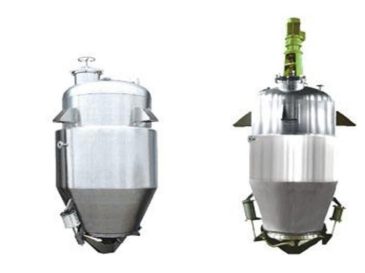
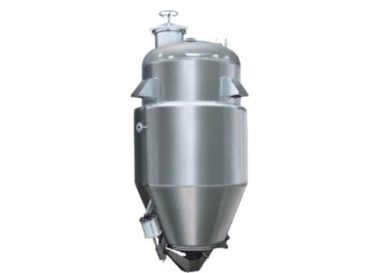
1. Overview and Comparison with Jacketed Extraction Tanks
The outer coil extraction tank corresponds to the standard jacketed extraction tank, but the two differ in their heat exchange methods. We use a jacket for heating and cooling the standard extraction tank in relevant scenarios.
In contrast, we use half-pipes as the heat-exchange medium for the outer coil extraction tank to carry out heat-exchange reactions. Both the outer coil extraction tank and the jacketed heating extraction tank have their own advantages and disadvantages.
1.1 Advantages and Disadvantages of Standard Jacketed Extraction Tanks
The standard jacketed extraction tank has a large heat-exchange area and a good heat-exchange effect. However, high steam pressure affects the thickness of the tank inner wall.
This influence forces us to increase the tank wall thickness, which in turn raises production costs. Additionally, the pressurized jacket belongs to a pressure vessel, requiring additional safety compliance.
1.2 Advantages and Disadvantages of Outer Coil Extraction Tanks
The outer coil extraction tank has good strength and can withstand large pressure. Importantly, it does not belong to a pressure vessel, simplifying safety requirements.
We weld circles of half-pipes along the tank wall, which provides sufficient heat exchange and a good diversion effect. However, the outer coil extraction tank has a smaller heat-exchange area than a jacketed extraction tank of the same size.
2. Structural Design of Outer Coil Extraction Tanks
2.1 Half-Pipe Design and Layout
We use circles of half-pipes as the heat-exchange jacket for the outer coil extraction tank. These half-pipes can be either circular or square in shape.
We can set half-pipes on both the bottom head and the cylinder body. The heat-exchange area can be adjusted to be large or small, depending on process needs.
2.2 Heating and Insulation Features
Since we arrange the outer coil in spiral circles around the tank, the extraction tank heats evenly and has a good diversion effect. This design ensures no local overheating, protecting the materials inside.
We set a thermal insulation layer outside the outer coil extraction tank. This layer not only enhances heat preservation but also gives the equipment a beautiful appearance and no dead corners for cleaning.
3. Optional Configurations
According to process needs, we can equip the tank with various functional ports. These include a feed inlet, a feeding port, an online cleaning port, an SIP sterilization port, a reflux port, a steam inlet, and a condensed water outlet.
According to control requirements, we can also equip it with auxiliary systems. These systems include an online temperature display and monitoring system, liquid level display, upper and lower liquid level control and alarm, and weighing and metering.