1. Working Principle of Distillation Kettle
The distillation kettle relies on a specific working process. We heat the liquid in the kettle using steam or electric heating tubes.
This heating turns the liquid into secondary steam. The secondary steam then leaves the distillation kettle.
Subsequently, it enters the condenser for cooling. The cooling process causes a phase change back to liquid.
This entire process increases the concentration of the solution in the kettle. Additionally, it allows us to recycle the evaporated liquid.
2. Application Fields and Material Selection
Distillation kettles are widely used in various industries. These industries include chemical, petroleum, metallurgical, and petroleum refining.
They also play a role in wastewater treatment, environmental protection, and dyeing. At present, we make most distillation kettles from stainless steel.
This material choice ensures high product quality, which is crucial for industrial production.
3. Composition of Distillation Kettle
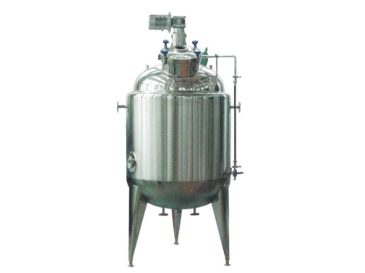
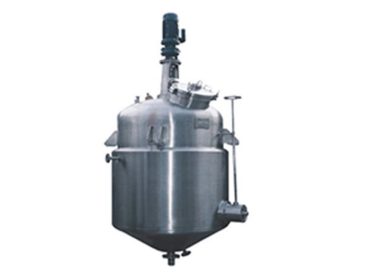
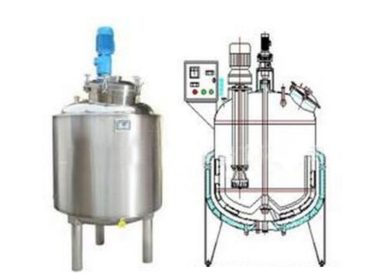
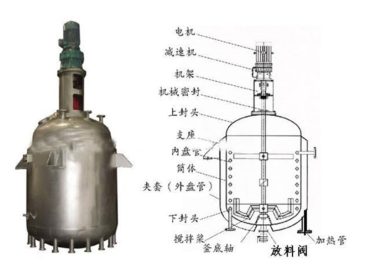
A distillation kettle consists of multiple components. These components include a kettle body, condenser, receiving tank, connecting pipes, and an installation platform.
The condenser adopts a shell-and-tube heat exchanger. This type of heat exchanger has a good heat exchange effect.
We use cooling water for the cooling process. Moreover, the cooling water system needs to be equipped with a cooling tower.
4. Classification of Jacketed Heat Exchanger Kettles
We generally classify jacketed heat exchanger kettles by jacket heating form. The main types include electric heating tube heating, steam heating, and thermal oil circulation heating kettles.
We can design and manufacture the holes of the jacketed heat exchanger kettle according to user requirements. This includes adjusting the number, specification, or other specific demands.
Steam heating kettles are generally pressure vessels. In contrast, thermal oil circulation heating, bath circulation heating, and electric heating kettles are usually atmospheric vessels.
5. Design Standards
We design pressure vessels strictly in accordance with relevant standards. These standards are “GB150-2011 Pressure Vessels” and “Container Regulations”.
For atmospheric vessels, we follow the “Atmospheric Vessels NB/T 47003-2009” standard for design and manufacture. Additionally, we design the stirring device in strict compliance with standard requirements.