Product

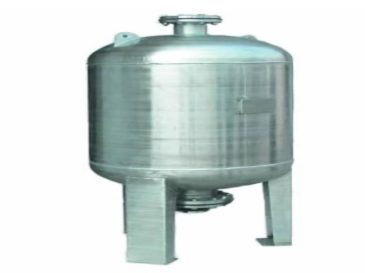
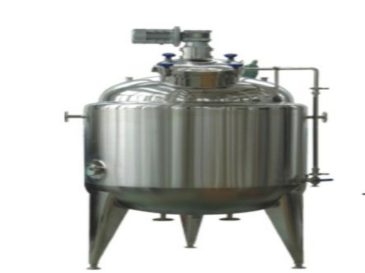
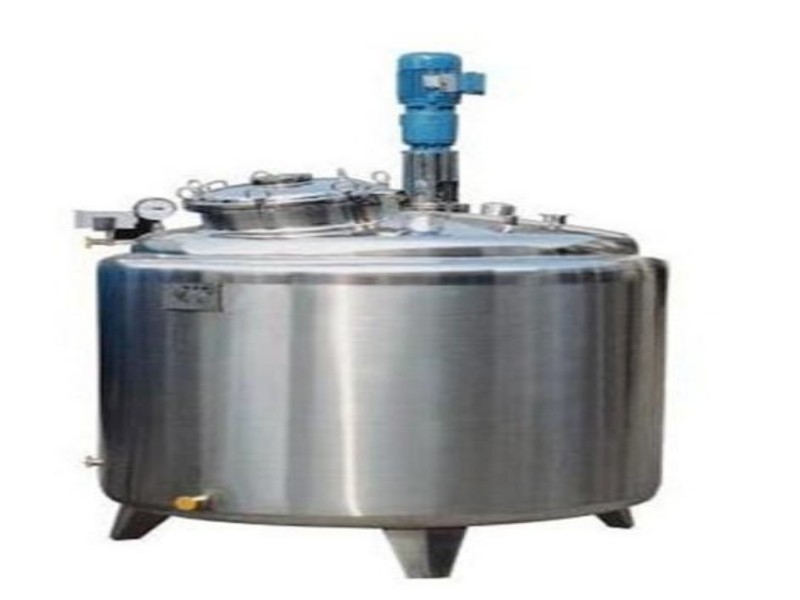
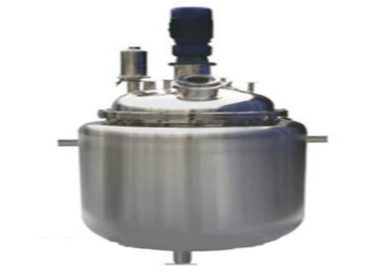
Dissolution Tank

Overview

In chemical engineering, we design dissolution tanks as specialized mixing and stirring vessels to dissolve materials according to process ratios. Additionally, they serve as buffer units and are applicable to processes such as distillation, extraction, and solution preparation.
We tailor the stainless steel dissolution tank—also called a dissolution reaction tank—to handle dissolution, heating, cooling, metering, and chemical reactions inside the tank. It is widely used in various chemical processing scenarios due to its versatility.

Working Principle & Structure

Dissolution tanks share a similar working principle with reaction kettles and stirring tanks, but they differ in detailed design and application scenarios. For instance, we mainly construct them from carbon steel or stainless steel, and they integrate heating, cooling, heat preservation, and stirring functions into one unit.
For tanks that require heating or cooling, we equip them with a jacket for media circulation. This jacket enables precise temperature control, and at the same time, agitators ensure the full dissolution and uniform mixing of materials. Together, these features guarantee stable process results.
Configuration & Accessories

3.1 Standard Configuration

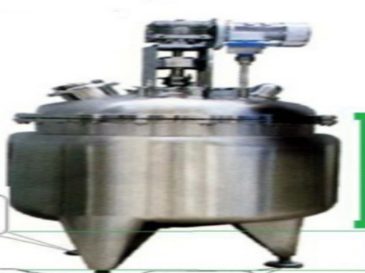
The standard configuration of a dissolution tank includes a transmission device, mechanical seal device, temperature control device, spotlight, sight glass, stirring device, manhole charging port, steam inlet, condensate water outlet, material outlet, drain port, sampling port, and a 360° universal cleaning ball. All these components work together to ensure basic operational needs.

3.2 Additional Components

We can add extra components based on actual needs, such as an orifice plate filtration device, weighing and metering device, liquid level metering device, and circulation device. These components enhance the tank’s functionality to adapt to specific process requirements.

3.3 Optional Accessories

Furthermore, we offer optional accessories according to customer requirements. These include a CIP cleaning device, level gauge, manhole (hand hole), breather (flame arrestor/explosion-proof), sight glass with spotlight, temperature sensor, pressure gauge, vacuum gauge, bottom-discharge material valve, ball valve, liquid inlet/outlet, and drain port. This customization ensures the tank meets individual customer needs.

Electrical Control

We equip dissolution tanks with electrical control equipment to handle motor-reducer start/stop, variable frequency speed regulation, and temperature digital display/control. Moreover, for automatic operation, we can configure the system with a touch screen and PLC controller, which reduces manual intervention and improves operational efficiency.

Parameter Selection

Nominal Volume 100L 300L 500L 1000L 2000L 3000L 5000L 10000L
Inner Diameter (mm) 500 800 900 1100 1400 1500 1800 2100
Heat Transfer Area (m²) 0.9 2.0 2.7 4.5 7.5 10.0 13.5 22
Agitation Power (KW) 0.55 0.75 1.5 3.0 4.0 5.5 7.5 11.0
Rotation Speed (r/m) Fixed speed or variable frequency speed regulation
Agitation Form Designed and manufactured according to material properties
Working Pressure (Mpa) Designed and manufactured according to process conditions
Working Temperature (℃) 0-200°
Jacket Heating/Cooling Medium Steam/cooling water/other refrigerants such as ethylene glycol, silicone oil
Metering Method Weighing liquid preparation or liquid level metering or flow metering
Thermal Insulation Material Polyurethane/rock wool
Nozzle Configuration Can be designed as required under satisfying conditions
Tank Material SUS304/316L/carbon steel

Leave Message