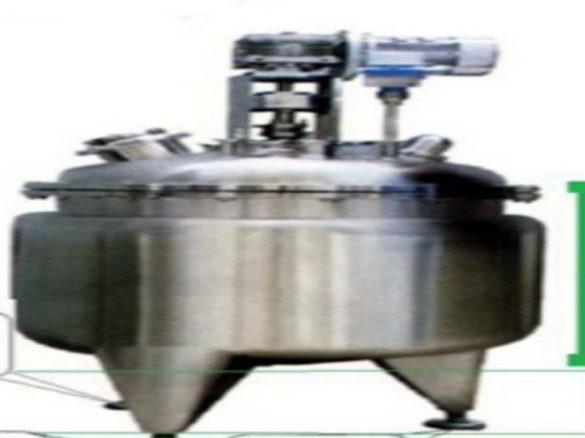
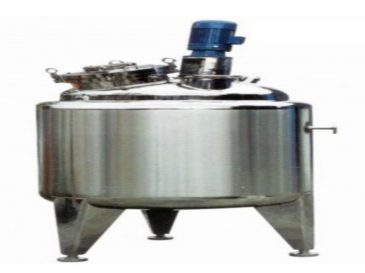
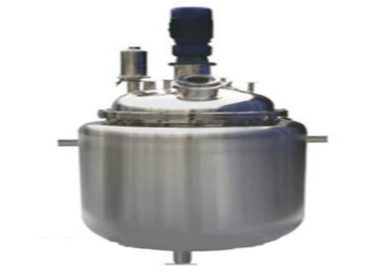
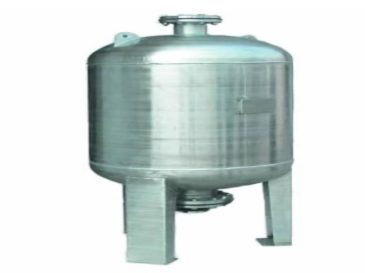
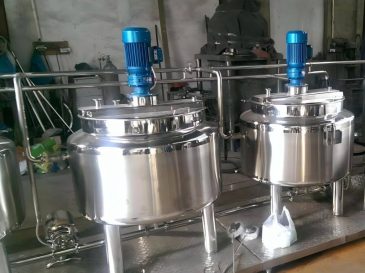
1. Weighing Batching Tank: Overview and Core Functions
A weighing batching tank is an ideal automated liquid preparation equipment. Specifically, it uses a PLC touchscreen to control an automatic program, streamlining the preparation process.
Through this program, it automatically mixes and proportions various raw materials and auxiliary materials. More importantly, it accomplishes this through different sequences and at different temperatures to meet specific process requirements.
It can both acquire weighing information and achieve weighing control. Additionally, it has several outstanding features that enhance its practicality.
Specifically, it boasts good stability and high precision, ensuring accurate batching results. It also supports continuous automatic weighing and real-time display of weighing results for easy monitoring.
Moreover, it can complete automatic liquid preparation independently, reducing manual intervention. Because of these features, it becomes widely applicable in multiple industries.
2. Application Scope of Weighing Batching Tanks
Weighing batching tanks are widely used in various industries. For example, they are commonly used in pharmaceuticals, biotechnology, and food industries due to their high precision.
They also find applications in beverages, fruit wine, and condiments industries. Furthermore, they are suitable for fine chemicals and oils industries, as they can adapt to different material properties.
3. Weighing Module: Definition and Basic Functions
A weighing module is a specialized weighing component. It integrates weighing sensors, load transmission devices, and installation connectors into a single unit.
It is primarily used for process measurement and control scenarios. Specifically, these scenarios only involve vertical forces or minimal horizontal forces, where precise weighing is required.
Workers can conveniently connect it to various containers or devices. In turn, this connection allows for precise measurement of weights, meeting process control needs.
A complete weighing unit can consist of 3, 4, or more such modules. Generally, the number of modules depends on the specific measurement needs and the size of the equipment.
4. Classification of Weighing Modules
We classify weighing modules based on their force characteristics in practical applications. Specifically, there are two main types: static load weighing modules and dynamic load weighing modules, each serving different scenarios.
4.1 Static Load Weighing Modules
Static load weighing modules are suitable for specific scenarios. In particular, these scenarios only bear vertical forces during use, ensuring stable and accurate weighing.
For example, they are used for weight detection of batching tanks, reaction kettles, tanks, and storage hoppers, where vertical load is the main force.
4.2 Dynamic Load Weighing Modules
Dynamic load modules apply to occasions with significant acting forces. For instance, these occasions include weight detection for platforms, production lines, and conveyor belts, where dynamic forces are common.