Product

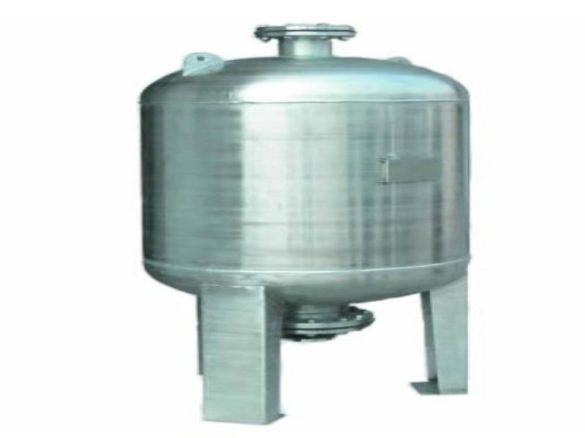
Buffer Tank

Overview

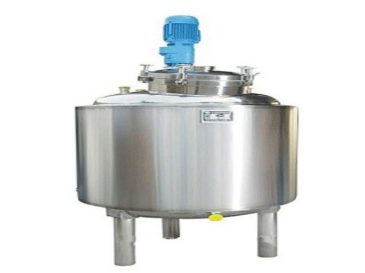
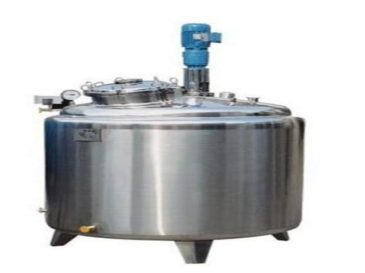
Buffer tanks serve widely across pharmaceutical, food, and beverage engineering projects.

In different working scenarios, people also call them temporary storage tanks or intermediate storage tanks.

These tanks can hold liquid, gas, or solid media flexibly.

Equipment Structure and Composition

  1. This liquid storage unit integrates a cycloidal‑pinwheel planetary reducer, stirring paddle, thermometer, and other standard parts.

    Inner Liner

    We use 304 or 316L stainless steel plate for the inner liner and polish its surface smoothly.

    Middle Jacket

    We build the middle jacket from 304 stainless steel plate.

    Cold or hot water runs from bottom to top inside the jacket, so users can achieve precise and efficient temperature control.

    Insulation Layer

    We form the outer shell with stainless steel plate in a fish‑scale pattern.

    We fill the insulation layer with polyurethane or glass wool; this design reduces heat exchange with the outside and maintains stable internal temperature.

    Reducer

    We mount a cycloidal‑pinwheel planetary reducer on the tank top.

    The reducer output shaft connects to the agitator via a loose sleeve, so users can disassemble and clean the assembly easily.

    Manhole

    We include a manhole to support safe and convenient cleaning and maintenance work.

    Thermometer

    We install the thermometer on the tank top and extend it to the lowest medium level.

    This placement shows the real‑time temperature even at minimum liquid volume and ensures reliable temperature monitoring.

Main Functions

Firstly, buffer tanks stabilize system pressure and effectively suppress pressure pulses.

In addition, they expand system storage capacity and regulate overall process flow.

Furthermore, they provide temporary material storage and support smooth production switching operations.

Leave Message