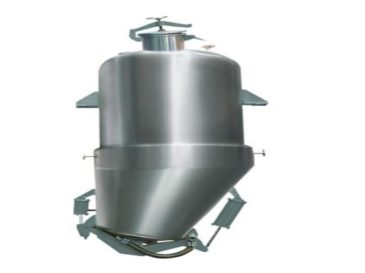
1. Definition of Extraction and Extraction Equipment
We define extraction as a process where we obtain effective components (such as constituent components or juices) from substances using solvents (such as water, ethanol). To achieve this, we utilize infiltration, distillation, dehydration, pressure application, centrifugal force, or other chemical or mechanical processes.
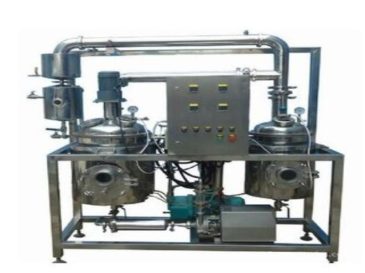
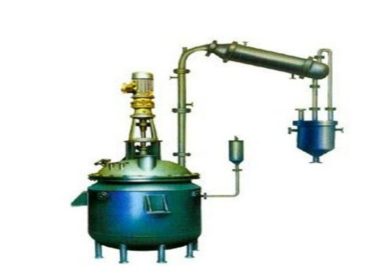
The equipment that realizes this extraction process is what we refer to as extraction equipment. Additionally, a complete set of extraction equipment includes several key components.
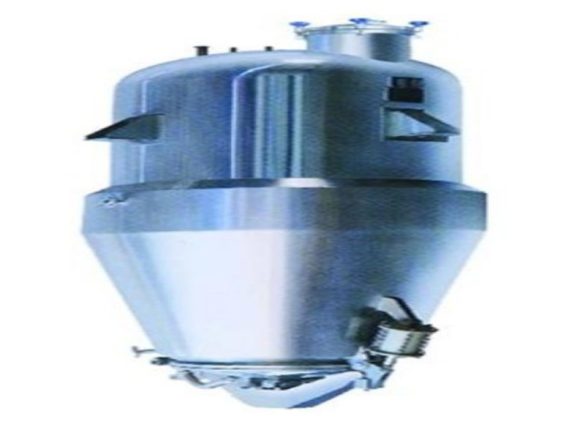
These components consist of extraction tanks, condensers, coolers, demisters, oil-water separators, and circulation pumps. Notably, we use the term “extraction equipment” as a general term for extraction tanks.
2. Functions and Application Scope of Extraction Tanks
Focusing solely on extraction tanks, we use them to extract various effective components from specific substances. Common extracted components include collagen, polypeptides, sugars, tea polyphenols, and pigments.
Our main application of extraction tanks spans industries such as traditional Chinese medicine, condiments, sugar making, and pesticides. Most notably, they are widely used for decocting traditional Chinese medicine, extracting health products, and extracting food seasonings.
Extraction tanks can adapt to various technological processes, including water extraction, alcohol extraction, decoction, reaction, and recovery. Furthermore, one tank can serve multiple purposes and realize multiple technological processes.
3. Common Types of Extraction Tanks
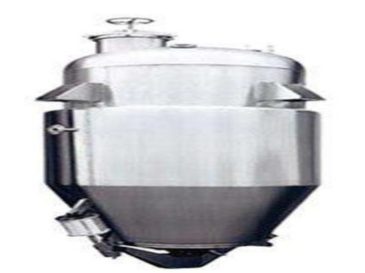
Extraction tanks come in various forms, with several common types widely used in industry. These include dynamic extraction tanks, static extraction tanks, bone-based extraction tanks, and bone peptide extraction tanks.
Other prevalent types include essential oil extraction tanks, volatile oil extraction tanks, small-sized extraction tanks, ultrasonic extraction tanks, right-cone extraction tanks, straight-cylinder extraction tanks, and mushroom-shaped extraction tanks.
The specific form of the extraction tank we configure depends on process requirements. Our company specializes in the production of various extraction tanks and, moreover, welcomes non-standard customizations to meet unique needs.
4. Material and Structural Design of Extraction Tanks
4.1 Material Selection
We use internationally standard stainless steel 304 or 316L to manufacture extraction tanks. For higher-level requirements, we instead adopt duplex stainless steel 22205 or titanium materials.
This careful material selection endows the tanks with the characteristics of smooth and clean inner and outer surfaces, no material adhesion, and no material accumulation. As a result, they are the preferred equipment for factories with high sanitary level requirements in the pharmaceutical and food industries.
4.2 Structural Design by Volume
For extraction tanks with a volume of less than 500L, we can configure them with two structures, depending on whether they have a stirring system. Tanks equipped with a stirring system adopt stainless steel container flange connections.
This connection method facilitates the installation of stirring devices and lifting for maintenance. In contrast, static extraction tanks without a stirring system adopt a welded structure, and we provide a manhole for convenient feeding.
Extraction tanks with a volume of 500L and above generally adopt an upper-lower welded structure. We design the upper part with a feeding port and the lower part with a large slag discharge door.
This kind of pilot-scale extraction tank is generally equipped with a DN400 or DN500 manhole, which allows workers to access the tank for installing stirring devices or performing maintenance.
To ensure no sanitary dead corners, we fully precision-polish the interior of the tank, thereby meeting the pharmaceutical GMP standards.
4.3 Head and Slag Discharge Door Design
We generally design the head form of the extraction tank as an upper elliptical head and a lower conical bottom. The slag discharge door, on the other hand, adopts a spherical-crown-shaped head.
This style is not only aesthetically pleasing but also features a smooth transition inside the tank, and it achieves a relatively high sanitary level that meets industry hygiene requirements.
4.4 Stirring Form
According to process requirements, we can adopt various stirring forms for extraction tanks. Common forms include paddle stirring, anchor-type stirring, frame-type stirring, anchor-paddle combined stirring, frame-paddle combined stirring, and spiral-type stirring.
User units can select one or more stirring forms based on the characteristics of the materials and the operating conditions. Our company has focused on the design and manufacturing of stainless steel extraction tanks for many years and, therefore, has rich experience.
As a result, our extraction tanks can fully meet the users’ usage requirements, ensuring stable and efficient operation.
5. Optional Configurations and Customization
As needed, we can optionally equip extraction tanks with other configurations, including cleaning devices, metering devices, different numbers of nozzles, and various sealing forms.
Our company can configure these components in accordance with the users’ process requirements. When selecting an extraction tank, users should provide relevant basic requirements.
These requirements include material characteristics, operating temperature, operating pressure, and rotation speed. Based on these needs, our company can design and manufacture extraction tanks, and we welcome users to call for consultation and negotiation.
6. Composition of a Complete Set of Extraction Tank Equipment
A complete set of extraction tank equipment mainly consists of seven parts, which are the main tank (extraction tank body), demister, condenser, cooler, oil-water separator, filter, and pump.
The extraction tank serves as the main tank and the core body of the extraction reaction. Inside the extraction tank, we realize the decoction, heating, cooling, evaporation, and reflux of raw materials.
For discharging materials from extraction tanks, we generally use a slag discharge door, which is convenient, fast, and safe. On the top of the demister, we set a quick-installation cover to facilitate the disassembly of the defoaming component.
The built-in defoaming component is easy to disassemble and clean. We design condensers, coolers, vapor-liquid separators, filters, etc., based on actual conditions.
These conditions include operating pressure, heat exchange area, shell wall thickness, and tube specifications, which ensures they match the overall system.
7. Key Factors for Extraction Tank Selection
When selecting an extraction tank, we need to consider several main factors, which are as follows:
(1) Material characteristics: These include viscosity, density, water absorption, volatility, corrosiveness, etc. If the materials have special properties, users should give special instructions.
(2) Operating conditions: Key conditions include operating temperature and operating pressure, both of which directly affect the tank’s design and material selection.
(3) Comprehensive technical conditions: These include heating time, processing time, requirements for the control system, description of process nozzle configuration, factory conditions, and explanations of water, electricity, and gas conditions.