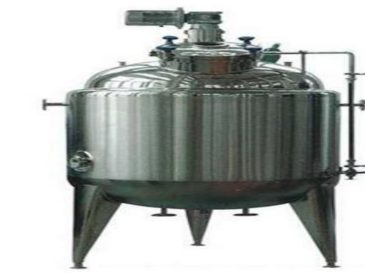
1. Definition and Scope of Pilot-Scale Solution Preparation Tank
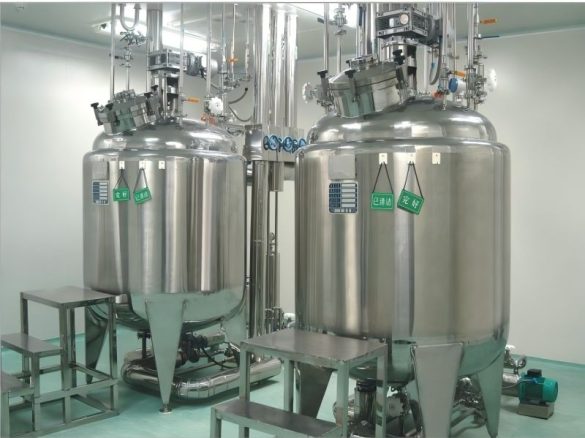
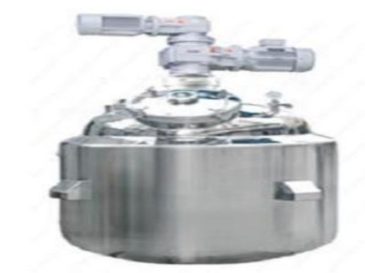
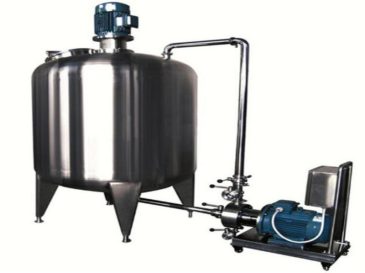
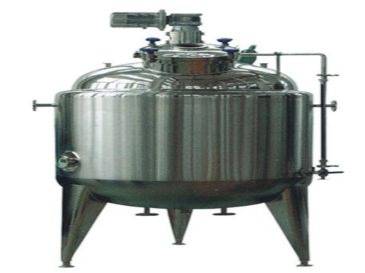
We generally define a pilot-scale solution preparation tank as a mixing and stirring container. Its capacity ranges from over 500L to below 1000L.
We design it to blend one or more materials according to process-specific ratios. This ensures it meets the precise mixing needs of pilot-scale production.
Notably, classification standards for different production capacities vary across units. As a result, the scope of three tank types also differs.
These types include laboratory-scale, pilot-scale, and large-scale solution preparation tanks. Overall, this forms a broad conceptual definition for pilot-scale tanks.
2. Core Components of Pilot-Scale Solution Preparation Tank
A pilot-scale solution preparation tank typically consists of several essential components. These components work together to ensure stable operation.
-
Cylinder body
-
Head (end closure)
-
Jacket or coil pipe (for heating/cooling circulation)
-
Agitator (anchor type, paddle type, turbine type, etc.)
-
Transmission device (motor-reducer assembly)
-
Shaft seal device (mechanical seal)
-
Supports (platform, legs, mobile casters)
-
Thermal insulation medium
3. Optional Accessories (Based on Customer Requirements)
In addition to core components, we can install various accessories based on customer needs. These accessories enhance the tank’s functionality and adaptability.
-
CIP cleaning device
-
Level gauge (material level meter)
-
Manhole (handhole)
-
Breather (with fire retardant and explosion-proof function)
-
Sight glass with light
-
Temperature sensor
-
Pressure gauge
-
Vacuum gauge
-
Bottom-discharge type material valve
-
Ball valve
-
Liquid inlet
-
Liquid outlet
-
Drain port
4. Electrical Control System
4.1 Basic Electrical Control Components
The electrical control box of a pilot-scale solution preparation tank includes specific electrical control devices. These devices manage key operational functions.
First, it controls the start/stop and frequency conversion speed regulation of the motor-reducer. This ensures flexible and stable agitator operation.
Second, it includes temperature digital display and control devices. It also manages related components in the optional accessories.
4.2 Automatic Control Configuration
For automatic solution preparation systems, we can equip the control box with advanced components. These components simplify operation and improve precision.
5. Manufacturing and Acceptance Standards
We manufacture and accept pilot-scale solution preparation tanks in accordance with multiple strict standards. These standards ensure product quality and compliance.
5.1 National and Industry Standards
-
GB 150-2011 Steel Pressure Vessels
-
HG 20584 Technical Requirements for Manufacturing of Steel Chemical Vessels
-
HG 20583 Structural Design Specifications for Steel Chemical Vessels
-
HG/T 20569 Mechanical Agitation Equipment
-
GB 50457-2008 Design Code for Clean Rooms in Pharmaceutical Industry
5.2 International and Pharmaceutical Standards
-
Current EU Good Manufacturing Practice (GMP) for Medicinal Products
-
SFDA Good Manufacturing Practice (GMP) for Pharmaceutical Products (2010 Edition)
-
ISO 14644 – 1
-
GAMP (Good Automated Manufacturing Practice)
5.3 Customer-Specific Requirements
Additionally, we strictly follow customer requirement specifications during manufacturing and acceptance. This ensures the tank meets individual production needs.