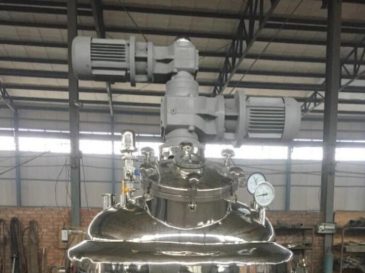
1. Overview and Application Fields
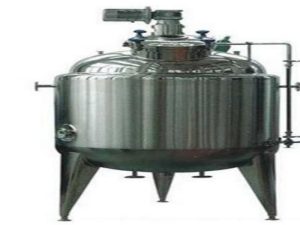
We widely use biological enzymatic hydrolysis tanks in fields such as textile dyeing and finishing, enzymatic conversion of proteins, and biodegradation of wastewater. Specifically, we design the temperature-controlled enzymatic hydrolysis tank as a stainless-steel container that provides the required temperature for process enzymolysis, adjusts the pH value, and offers stirring and mixing. These functions not only maintain enzyme activity and exert enzyme function but also accelerate the completion of the biological reaction process. Additionally, the biological enzymatic hydrolysis technology uses suitable biological catalysts (biological enzymes) to decompose substances, speed up the decomposition and conversion process, and transform them into materials conducive to utilization, thus achieving the objectives desired in experiments or production processes.
2. Tank Body Structure and Material
We weld the main tank body with three layers of stainless steel. For the inner tank, we use high-quality SUS316L stainless steel and polish it to meet the hygienic standards of the food and pharmaceutical industries. As for the interlayer, we adopt SUS304 stainless steel and equip it with stainless-steel flow guide plates to facilitate the flow of steam and circulating water. Finally, we weld the outer layer and fill it with stainless-steel insulation material to ensure heat preservation performance.
3. System Composition
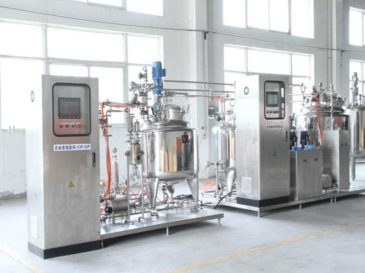
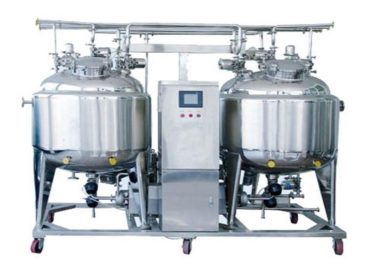
The entire system mainly consists of several key parts. These parts include the enzymatic hydrolysis tank, steam heating system, circulating cooling system, stirring system, pH adjustment system, feeding system, discharging system, filtering system, cleaning system, electrical control system, and preparation tank. Each component works in coordination to ensure the stable operation of the entire enzymatic hydrolysis process.
4. Core Functions and Working Process
The stainless-steel biological enzymatic hydrolysis tank integrates heating, cooling, heat preservation, and stirring functions. To support the enzymatic hydrolysis process, we design the tank body with process nozzles, including a material inlet, pure water inlet, discharge outlet, and sampling port, which provide the necessary conditions for the process. After the enzymatic hydrolysis is completed, operators can open the jacket to introduce direct steam for enzyme deactivation. Once enzyme deactivation finishes, they can cool down the material and then open the discharge valve to discharge the material, ensuring the continuity of the production process.
5. Process Nozzles Configuration
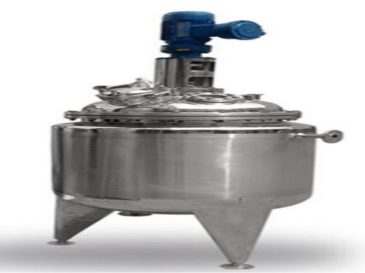
We equip the biological enzymatic hydrolysis tank body with various process nozzles to meet different process needs. These nozzles include a manhole, feed inlet, discharge outlet, sight glass, spotlight, breather port, CIP (with a hygienic universal cleaning ball), SIP port, sterile sampling port, pH meter interface (supporting SIP), thermometer, temperature sensor, and cold/hot medium inlet/outlet.
Moreover, we can design and manufacture the nozzles of the biological enzymatic hydrolysis tank according to specific process requirements, allowing it to adapt to different production scenarios and meet the personalized needs of various industries.