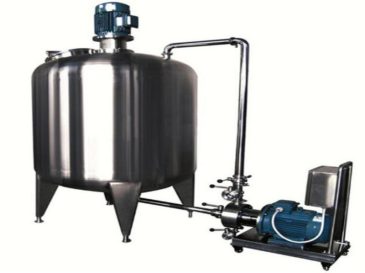
Product Overview and Other Names
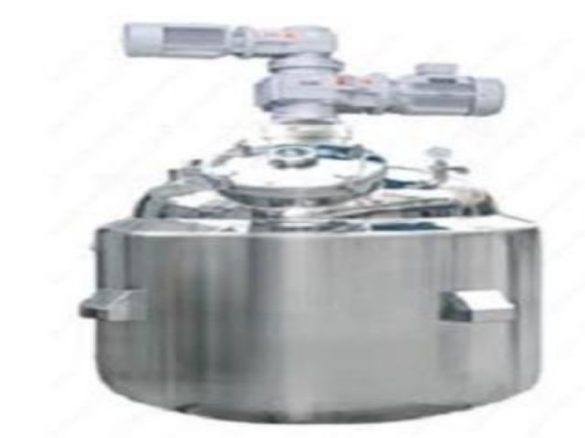
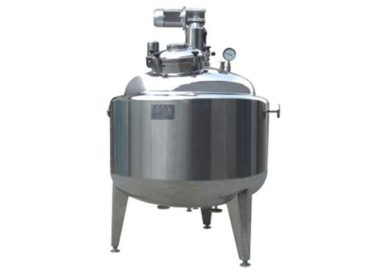
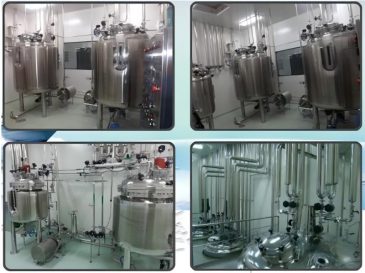
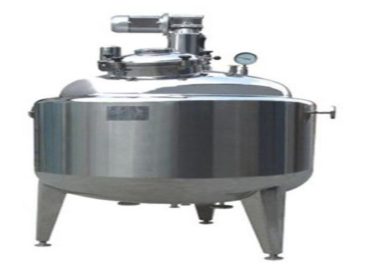
A gelatin melting tank is usually a bidirectional stirring tank with a vacuum suction function inside the tank. Therefore, it is also known as a vacuum stirring tank. In addition to melting gelatin, it can also be used for batching, so it is also called a stainless steel batching tank. Furthermore, it is a multifunctional vacuum stirring tank. It can also be called a multifunctional batching tank or used as an injection liquid preparation tank.
Core Structure and Heating Method
The gelatin melting tank adopts a closed three-layer structure. We insert electric heating tubes into the jacket for heating.
Alternatively, it can use water bath circulation heating. The stirring system consists of two sets of coaxial reducers.
The stirring assembly uses multi-layer shunt type blades. Double-axis bidirectional positive and negative stirring shafts drive these blades.
Structural Advantages
This unique design offers multiple advantages. First, it accelerates the melting time of the gelatin solution.
Second, it melts gelatin particles stably. It also overcomes the scorching phenomenon of the gelatin solution.
Moreover, it improves the gelatin liquid medium and enhances liquid homogeneity. This ensures the high-quality pill pressing performance of the pill press.
It also increases the yield of capsule pills and improves the economic benefits of enterprises.
Compliance and Application Scope
It fully complies with GMP hygiene standards. It is a new-type equipment for the capsule pharmaceutical industry.
Specifically, it is used for gelatin melting, batching, and vacuum stirring homogenization. It is mainly used to prepare gelatin solution required for capsule shells in soft gelatin capsule production.
Operational Procedures (When Used as Batching Tank)
-
Add the formula-required amount of purified water and glycerin into the gelatin melting tank.
-
Mix them evenly and heat the mixture to between 70°C and 80°C.
-
Add the formula-required amount of gelatin particles. Stir while pumping vacuum.
-
Close the vacuum until no more foam is drawn up.
-
Dissolve the gelatin under negative pressure for 30 to 70 minutes.
-
Pump vacuum again, then release the gelatin solution into the heat-preservation tank.
Equipment Intelligence and Operational Precautions
Intelligent Features
The gelatin melting tank is highly intelligent. It can automatically control temperature after setup.
After activating the stirring button, it starts automatic stirring. This makes its operation very simple.
Key Operational Precautions for Gelatin Melting
1. Pre-Operation Inspections for Efficiency
Before gelatin melting, check if the hot water circulation system works normally.
Also, check the vacuum pumping system and whether the hot water temperature meets process requirements.
For electric heating models, turn on the electric heater in advance to preheat the system.
Before use, inspect the amount of heating medium in the jacket to prevent dry heating.
2. Vacuum Pumping Monitoring
When starting vacuum pumping, carefully observe the liquid level rise in the tank.
This prevents material overflow and blockage of vacuum pipes by vacuum entrainment.
3. Vacuum Timekeeping and Sealing
Start timing the vacuum duration when the liquid level stabilizes. This happens when the sponge layer forms and the liquid level stops rising.
Ensure the gelatin melting tank is sealed properly. Damaged gaskets in the gelatin discharge pipe valve may let air ingress during vacuuming, causing bubbles.
4. Time and Temperature Control
Control the entire process from gelatin input to discharge within 2 hours.
The temperature during this process must not exceed 72°C.
5. Recycled Gelatin Addition
If using recycled gelatin (mesh gelatin), add it only after the gelatin has fully dissolved.
This avoids undissolved gelatin particles remaining in the solution.