1. Overview and Basic Definition
We refer to water injections and infusions as liquids administered directly via intravenous drip.
In China, we generally use sterilization processes to produce water injections and infusions.
Notably, the core technology for their production is the liquid preparation process.
This means the key system in their production is the liquid preparation system.
In China, we generally use sterilization processes to produce water injections and infusions.
The core technology for their production is the liquid preparation process.
This means the key system is the liquid preparation system.
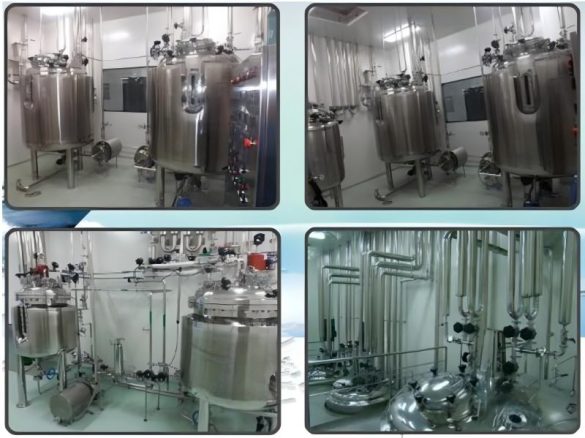
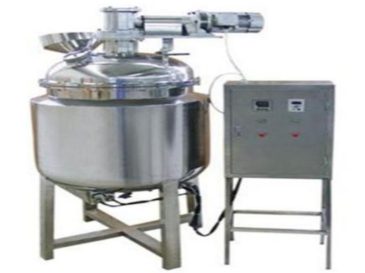
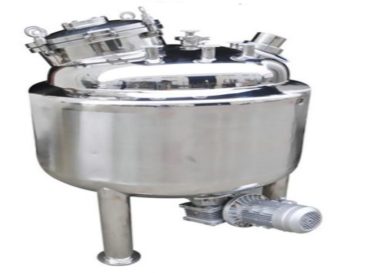
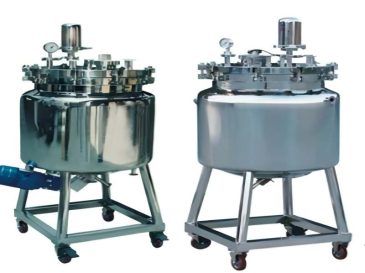
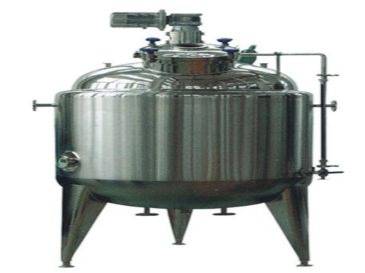
We define the water injection and infusion liquid preparation system as a set of equipment. Specifically, it includes needle liquid preparation tanks, concentrated preparation tanks, dilute preparation tanks, and filtration and sterilization systems.
We mainly use this system in the pharmaceutical industry, and it belongs to the pharmaceutical sanitary-grade liquid preparation system.
Moreover, it strictly complies with pharmaceutical GMP standards to ensure product safety.
We use this system in the pharmaceutical industry. It belongs to the pharmaceutical sanitary-grade liquid preparation system.
Moreover, it complies with pharmaceutical GMP standards.
2. System Composition and Structural Features
2.1 Main Components
The water injection and infusion liquid preparation system has multiple components. Specifically, these include concentrated preparation tanks, dilute preparation tanks, pumps, filters, pipelines, valves, and control systems.
2.2 Structural Design
We adopt a vertical closed structure for the system.
For all parts in direct contact with the liquid medicine, we select 316L stainless steel as the raw material.
Additionally, we can customize the capacities of the concentrated and dilute preparation tanks to meet different production needs.
We make all parts in direct contact with the liquid medicine from 316L stainless steel.
We can customize the capacities of the concentrated and dilute preparation tanks.
2.3 Tank Configurations
Both types of tanks are equipped with stirring devices; besides that, they also have heating and cooling devices.
Additionally, they are equipped with temperature and liquid level display devices and precision filtration devices for real-time monitoring.
For the filter elements, we configure them with 1μm titanium rods, 0.45μm, and 0.22μm polyether sulfone filter elements to ensure filtration precision.
Additionally, they have temperature and liquid level display devices and precision filtration devices.
We configure the filter elements with 1μm titanium rods, 0.45μm, and 0.22μm polyether sulfone filter elements.
3. Heating and Stirring Methods
We use integral jacket heating for concentrated and dilute preparation tanks, which strictly follows the process requirements of materials.
Specifically, we adopt steam heating, which is uniform and stable in temperature control.
This heating method allows us to control the temperature accurately, which is crucial for the liquid preparation process.
By controlling the temperature, we can reduce material viscosity, thereby facilitating the liquid preparation process.
We adopt steam heating, which is uniform and stable.
This heating method allows us to control the temperature accurately.
Controlling the temperature reduces material viscosity, facilitating the liquid preparation process.
For the stirring method, we use a double-layer stirring paddle to ensure uniform mixing.
The upper layer is a propeller-type stirrer, while the lower layer is a four-blade open turbine stirrer.
Thanks to this double-layer design, it effectively improves the uniformity of the liquid medicine concentration.
The upper layer is a propeller-type stirrer. The lower layer is a four-blade open turbine stirrer.
This double-layer design effectively improves the uniformity of the liquid medicine concentration.
4. Intelligent Weight Control System
4.1 System Advantages
We adopt an advanced weighing control system for the liquid preparation system.
This system automatically controls the amount of injection water without manual intervention.
As a result, it reduces the labor intensity of manual operations significantly.
At the same time, it also improves the precision of liquid medicine dispensing effectively.
It automatically controls the amount of injection water.
This reduces the labor intensity of manual operations.
At the same time, it improves the precision of liquid medicine dispensing.
4.2 Human-Machine Interaction Mode
The intelligent weight control system uses a touch screen human-machine interface (HMI) as its interaction mode.
With this interface, we can achieve simple and convenient data input and display.
Furthermore, it also shows real-time information on the system or equipment operation status for timely monitoring.
This interface enables simple and convenient data input and display.
It also shows real-time information on the system or equipment operation status.
4.3 Control Mode
For the intelligent weight control system, we use PLC programming control as its core control mode.
This mode can automatically control the injection water volume, with its control accuracy reaching ±0.1%.
Additionally, it can display the liquid medicine temperature during the dispensing process to ensure process stability.
It can automatically control the injection water volume. Its control accuracy reaches ±0.1%.
Additionally, it displays the liquid medicine temperature during the dispensing process.
5. System Accessories and Their Functions
The dispensing system is equipped with various accessories to meet different operational needs. These include CIP & SIP systems, level gauges, manholes (hand holes), and breathers (fire-proof and explosion-proof).
Other key accessories are sight glass spotlights, temperature sensors, pressure gauges, and valve instruments.
Other accessories are sight glass spotlights, temperature sensors, pressure gauges, and valve instruments.
5.1 Key Accessory Functions
We use CIP and SIP for effective cleaning and sterilization of the system.
This not only ensures product cleanliness and hygiene but also meets strict cleaning and sterilization requirements.
Ultimately, it guarantees stable and qualified product quality.
This ensures product cleanliness and hygiene. It also meets cleaning and sterilization requirements.
Ultimately, it guarantees stable product quality.
We use sight glasses and spotlights to observe the material status during liquid dispensing.
This observation helps us achieve better process control and adjust parameters in time.
Meanwhile, we use temperature sensors to display and control the temperature of the liquid medicine.
This helps achieve better process control.
We use temperature sensors to display and control temperature.
6. System Performance and Traceability
The water injection and infusion liquid dispensing system is equipped with online monitoring functions for real-time supervision.
Besides that, it also has online alarm, real-time recording, data storage, and download functions to ensure process traceability.
Furthermore, it can simulate data curves and automatically control the liquid medicine dispensing process.
This automatic control simplifies manual operation processes and effectively avoids human error risks.
It also has online alarm, real-time recording, data storage, and download functions.
It can simulate data curves and automatically control the liquid medicine dispensing process.
This simplifies manual operation processes and avoids human error risks.
The system has stable overall performance and is supported by relevant professional documents.
These documents effectively ensure the traceability of the system, complying with pharmaceutical industry requirements.
These documents ensure the traceability of the system.