1. Company Overview and Strength
Our company specializes in the design and production of enzymatic hydrolysis tanks, stainless steel enzymatic hydrolysis tanks, and fully automatic enzymatic hydrolysis equipment. We hold the design and manufacturing qualifications for Class I and II pressure vessels, and have food/dairy engineering technicians with years of industry experience, as well as pharmaceutical process personnel with many years of design and installation experience. Additionally, we welcome you to call for consultation and discuss cooperation.
2. Product Overview and Definition
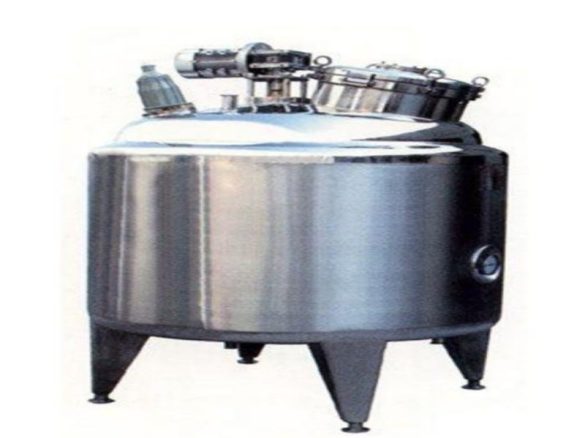
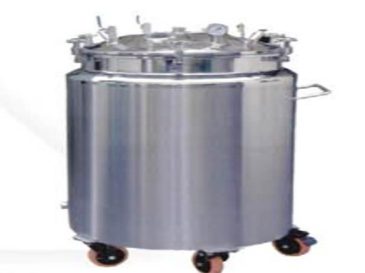
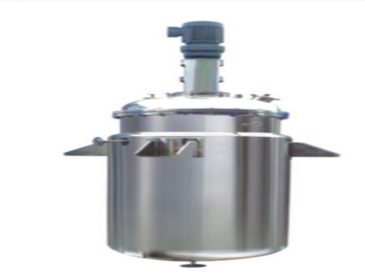
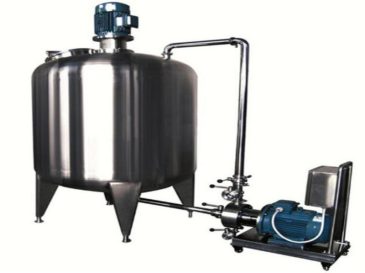
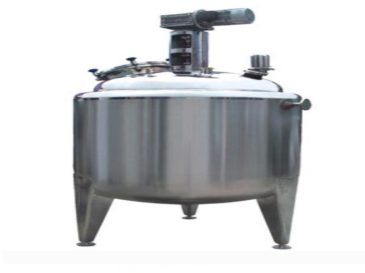
The enzymatic hydrolysis tank also goes by the names of enzymatic hydrolysis reactor or bio-enzymatic hydrolysis reactor; we design it as a stainless steel container that provides the temperature required for enzymatic hydrolysis, adjusts the pH value, and offers stirring and mixing functions. These functions not only maintain enzyme activity and facilitate enzymatic reactions but also accelerate the completion of the biological reaction process.
3. Related Technology and Application Fields
3.1 Bio-Enzymatic Hydrolysis Technology
Bio-enzymatic hydrolysis technology uses appropriate biological catalysts, namely bio-enzymes, to decompose substances, accelerate the decomposition and transformation process, and turn them into substances that are easy to utilize, thus achieving the desired goals of experiments or production processes. Moreover, it is widely applied in fields such as textile dyeing and finishing, enzymatic hydrolysis and transformation of proteins, and biodegradation of wastewater.
3.2 Enzyme Engineering and Its Applications
Enzyme engineering is also a scientific technology that utilizes the biological catalytic function of enzymes and converts corresponding raw materials into useful substances through engineering means for application in social life. It includes the preparation of enzyme preparations, enzyme immobilization, enzyme modification and transformation, and enzyme reactors. Furthermore, the application of enzyme engineering is mainly concentrated in the food industry, light industry and pharmaceutical industry.
4. Tank Body Structure and Material
We weld the main tank body of the enzymatic hydrolysis tank with three layers of stainless steel. For the inner tank, we use high-quality SUS316L stainless steel and polish it to meet the hygienic requirements of the food and pharmaceutical industries. As for the interlayer, we adopt SUS304 stainless steel and install a stainless steel deflector in it to facilitate the diversion of steam and circulating water. Finally, we weld the outer layer and fill it with stainless steel for heat preservation, which helps realize the enzymatic hydrolysis process smoothly.
5. System Composition and Working Process
5.1 Core System Components
The enzymatic hydrolysis system mainly includes several key parts: enzymatic hydrolysis tank, steam heating system, circulating cooling system, stirring system, pH adjustment system, feeding system, discharging system, filtering system, cleaning system, electric control, and preparation tank. All these components work together to ensure the stable operation of the entire enzymatic hydrolysis process.
5.2 Functions and Working Procedures
We equip the enzymatic hydrolysis tank with heating, cooling, heat preservation and stirring functions. To support the enzymatic hydrolysis process, we design the tank body with process nozzles such as material inlet, pure water inlet, discharge outlet and sampling port. After the enzymatic hydrolysis is completed, operators can open the jacket to directly pass through steam to achieve enzyme inactivation. Once enzyme inactivation is done, they can cool down the material and then open the discharge valve for discharging. Additionally, we can design the enzymatic hydrolysis tank with an automatic control system, including process control of feeding, discharging, temperature control, stirring, pH adjustment, etc. This design not only reduces labor intensity but also enables fully automatic control of the enzymatic hydrolysis process.
6. Key Structural Features and Hygienic Requirements
We design the enzymatic hydrolysis tank to support online CIP (Clean-in-Place) and SIP (Sterilization-in-Place) functions, ensuring convenient and efficient cleaning and sterilization.
To meet strict hygienic requirements, we polish and smooth all welds and adopt a flared design for welding.
For the jacket, we design it with a circulating deflector to facilitate the heating and cooling processes using steam and circulating water.
To ensure sufficient reaction during the enzymatic hydrolysis process, we equip the inner tank with baffles.
We design the tank with a stainless steel insulation layer and use polyurethane foam as the insulation medium. This design helps control temperature during the enzymatic hydrolysis process, reduces heat source loss, and prevents safety accidents such as scalding.
To ensure hygienic conditions with no dead corners, we perform mirror polishing on the inner tank with Ra ≤ 0.4, and we subject the outer tank to 2B and wire drawing treatment for a smooth and durable surface.
For the nozzles, we adopt a stretched flanging process with arc transitions, making them smooth and easy to clean without dead corners. This design ensures the reliability and stability of the production process and meets GMP requirements.
7. Process Nozzles Configuration
We equip the tank with various process nozzles, including manhole, feed inlet, discharge outlet, sight glass, spotlight, breather port, CIP (equipped with a sanitary universal cleaning ball), SIP port, sterile sampling port, pH meter interface (supporting SIP), thermometer, temperature sensor, and cold and hot medium inlets and outlets.
Additionally, we can design and manufacture the nozzles according to specific process requirements to adapt to different production scenarios.
8. Compliance Standards
The enzymatic hydrolysis tank and its related systems comply with multiple national, industrial and international standards. Specifically, these standards include: “Steel Pressure Vessels” GB150-2011, HG20584 “Technical Requirements for Manufacturing of Steel Chemical Vessels”, HG20583 “Structural Design Specifications for Steel Chemical Vessels”, HG/T20569 “Mechanical Stirring Equipment”, current EU Good Manufacturing Practice for Pharmaceuticals, customer requirement specifications, SFDA “Good Manufacturing Practice for Pharmaceuticals” (2010 edition), ISO 14644-1, “Code for Design of Clean Rooms in Pharmaceutical Industry” (GB50457-2008), and GAMP (Good Automated Manufacturing Practice).