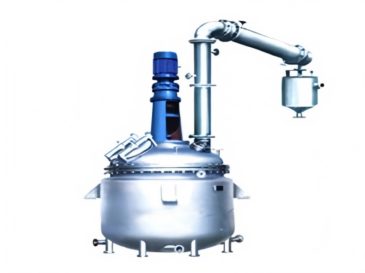
1. Heating Methods of Electric Heating Reactor
An electric heating reactor has two main heating methods, and we detail them below:
The first method is direct electric heating: we insert electric heating elements directly into the jacket.
Heat transfers through the inner barrel wall, which raises the material temperature.
The second method is hot medium circulation: we circulate a water bath system or thermal oil from a thermal oil furnace into the reactor for heating.
We equip the reactor with a temperature control instrument.
This instrument controls the electric heating rod to maintain a constant temperature.
According to the material’s different heating temperatures and working conditions, we usually divide the electric heating methods into three types.
These types include resistance heating, infrared heating, and the more commonly used medium heating (thermal oil, steam, hot water).
Moreover, the medium heating method allows for recycling of the heating medium.
2. Application Fields and Core Advantages
It is suitable for industries such as pharmaceuticals, food, beverages, and chemicals.
In particular, it is ideal for places without water vapor supply.
It is easy to install and simple to operate; besides, the reactor is equipped with an electric control box.
The control box enables the reactor to automatically maintain a constant temperature.
We add insulation to the reactor’s outer layer to prevent heat loss and scalding of operators.
3. Pressure, Voltage and Customization
An electric heating reactor is a pressure vessel, but both its inner pot and jacket operate at atmospheric pressure.
It has two voltage options for electric heating: 380V and 220V.
Additionally, we can customize the reactor according to customer requirements.
After the reactor arrives at the site, users can use it directly by connecting the main power supply.
This further highlights its advantages of easy operation and installation.
4. Basic Structure
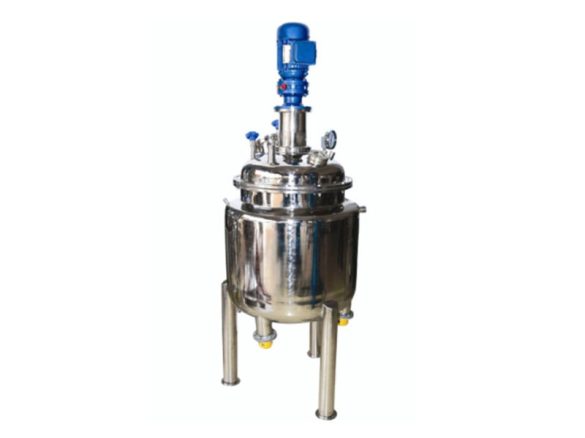
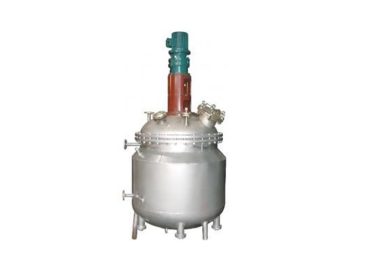
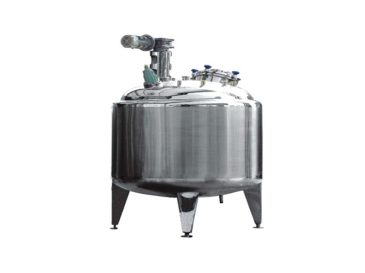
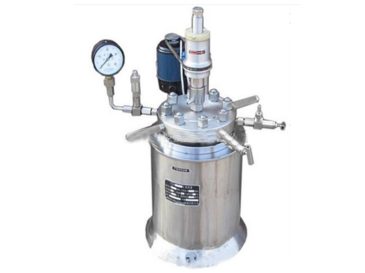
An electric heating reactor consists of multiple key components.
These components include a kettle body, a kettle cover, and a jacket.
It also includes a heating device, a stirrer, and a transmission device.
Other key parts are a shaft seal device, a support, and an insulating medium.
5. Port Configuration
The reactor is equipped with a complete set of ports for various operations.
These ports include a manhole, feed port, and discharge port.
It also has a sight glass, spotlight, and breathing port.
Furthermore, it is equipped with a CIP (with a universal cleaning ball), a thermometer, and a temperature sensor.
6. Power Calculation of Electric Heating Tube
We calculate the power of the electric heating tube based on multiple factors.
These factors include the material heating time, material volume, and heat transfer coefficient.