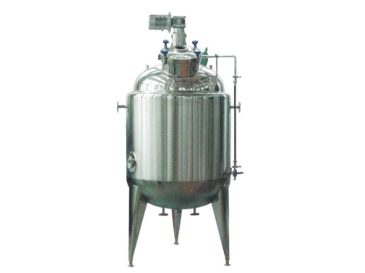
1. Overview of Decolorization Tank
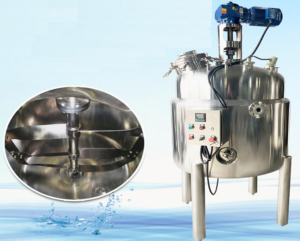
The decolorization tank uses activated carbon or activated clay to adsorb pigments and other impurities in liquid materials. Its purpose is to decolorize, deodorize, remove fishy smells, degrease, and purify materials. These materials include refined sugar, monosodium glutamate, glucose, and more.
2. Working Principle of Decolorization
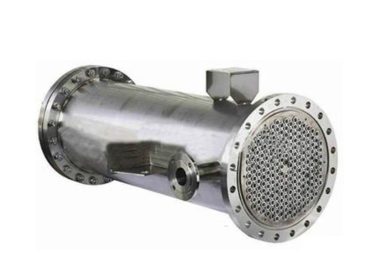
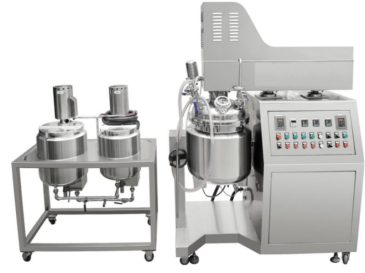
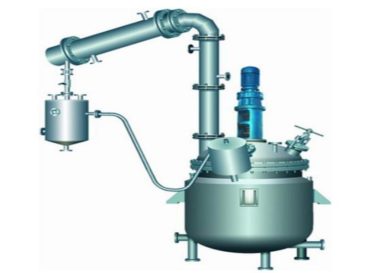
To achieve the best decolorization effect, the decolorization tank is usually a stirring reaction kettle. We introduce heating medium into the jacket to heat the materials inside the tank. We add powdered activated carbon or clay into the tank. With the stirrer running, the adsorbent fully mixes and contacts the materials at a suitable temperature to achieve adsorption and decolorization.
3. Key Factors Affecting Decolorization Effect
3.1 Stirrer Structure
Different stirrer structures affect mixing effect and heating heat transfer. The stirrer design must ensure axial and radial circulation of the liquid surface. It should also enable up-and-down flipping for uniform mixing and stirring.
3.2 Type of Adsorbent (Activated Carbon/Clay)
Activated carbon has multiple types: sugar-use, pharmaceutical-use, and needle-type. We select the type based on material characteristics. Different substances have different adsorption capacities with activated carbon. We need to consider the specific surface area and pore size of activated carbon. Smaller average pore size usually means stronger adsorption. But overly small pores prevent colored substance molecules from entering, reducing adsorption effect. Powdered and flaky activated carbon work better than granular and amorphous types. We mostly use powdered activated carbon.
3.3 Heating Temperature
We need to retain or remove specific substances besides using activated carbon. We should ensure the activity of other materials while achieving the best adsorption effect. The adsorption temperature depends on the mixture’s nature. Heating usually works better than not heating. The common heating temperature is 70-80°C.
3.4 Adsorption Time
Longer adsorption time does not mean better effect. We need to understand material characteristics and identify substances to remove. We optimize the time while ensuring material quality and decolorization effect.
3.5 Other Influencing Factors
The decolorization effect relates to adsorbents, auxiliaries (water, organic solvents), and solution pH. We design control experiments based on material characteristics to find the best temperature and pH.
4. Decolorization Tank Specifications & Design
4.1 Material and Heating Method
We usually make decolorization tanks from stainless steel. The heating method can be electric or steam heating. Most decolorization tanks use activated carbon as the decolorizing agent.
4.2 Structural Features
The decolorization tank is a vertical, fully enclosed stirring reaction kettle. It usually uses paddle-type stirring. We can adjust the stirring speed according to the materials. It has a manhole for adding activated carbon easily.
4.3 Volume and Customization
Common volumes include 50L, 100L, 200L, 300L, 500L, 600L, and 1000L-5000L. We can customize other specifications as needed. The stirrer is installed at the top center. The reducer’s output shaft connects to the stirring paddle via a loose sleeve for easy disassembly and cleaning.
4.4 Selection Parameters
When selecting an activated carbon decolorization tank, we need to provide material properties, working pressure, working temperature, and operating conditions.