Overview
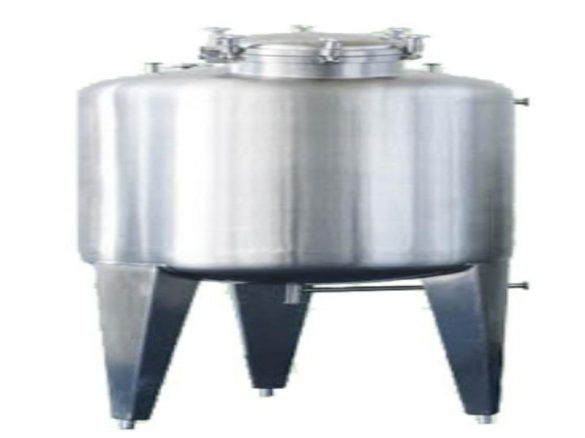
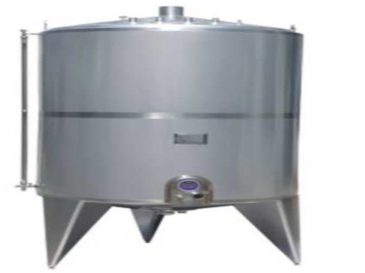
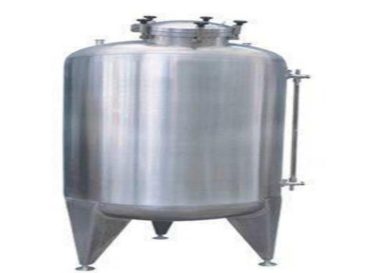
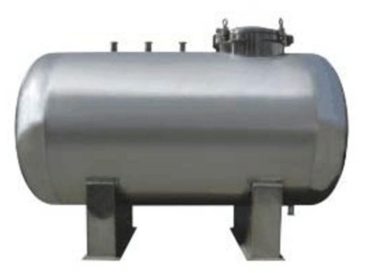
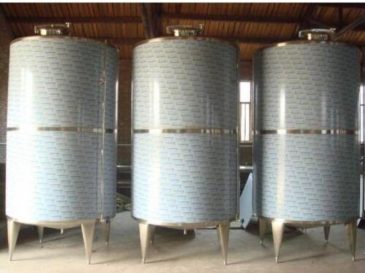
A water for injection storage tank is a common piece of equipment in the pharmaceutical industry. It is specifically designed to store water for injection.
Water for injection must meet the standards of the Chinese Pharmacopoeia. This means manufacturers must build these tanks to pharmaceutical hygiene grades to effectively control microbial contamination.
Core Characteristics
These tanks have two key characteristics. First, they support online sterilization and cleaning to prevent microbial contamination. Second, they use circulating pipelines to keep the water flowing, ensuring clean water at all intake points.
The tank’s breathing port uses a sterile breather. This breather has a hydrophobic sterilizing filter membrane that does not shed fibers. Manufacturers also design these tanks as double-layer insulated units to maintain the required water temperature (above 80°C, 70°C cycle, or below 4°C).
Hygienic Design
The high hygiene requirements for these tanks mean manufacturers use a hygienic and sterile design for the tank body. Each nozzle undergoes drawing processing to form a smooth arc transition, avoiding cleaning dead corners from direct socket welding.
The inner tank surface features mirror polishing. The outer surface uses either a mirror panel or a wire-drawing plate, ensuring both hygiene and an elegant appearance.
Cleaning and Sterilization
A 360° universal cleaning ball is installed inside the tank for effective online cleaning. Operators can directly introduce steam into the tank for sterilization.
All nozzles use ISO standard quick-fit clamp-on disk interfaces. These interfaces are hygienic, free of dead corners, and easy to disassemble. The tanks also have online cleaning (CIP) and online sterilization (SIP) functions to comply with GMP standards.
Optional Configurations
Users can optionally add an online temperature display system and a liquid level display system as needed. For high automation needs, the tank can be equipped with a remote-controlled liquid level gauge and flow meter.