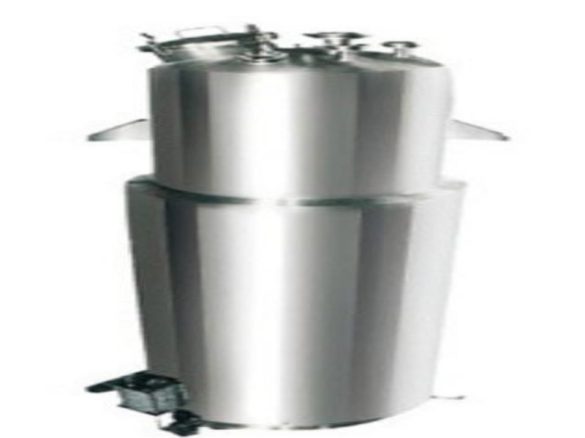
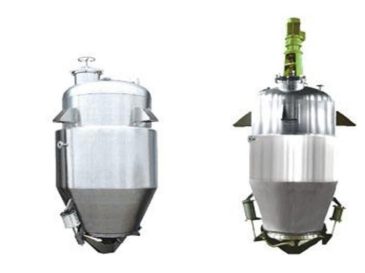
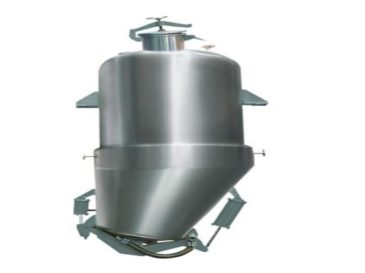
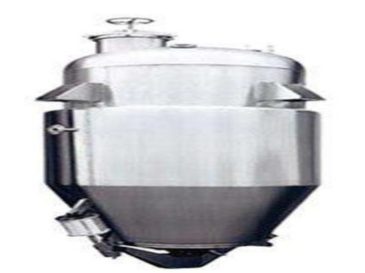
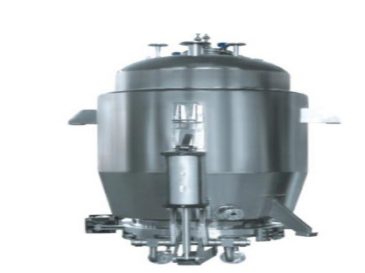
1. Overview and Aliases
It works in the same way, so it is also referred to as an extraction tank. Naming conventions vary across industries, but it shares similar functions and characteristics with extraction tanks, extraction equipment, percolation tanks, and other related equipment.
2. Application Scenarios and Advantages
This purification tank can be used in various processes across three key industries: traditional Chinese medicine (TCM), food, and chemical engineering.
Specifically, it supports atmospheric extraction, water decoction, heating reflux, and forced circulation percolation. It also enables aromatic oil extraction and organic solvent recovery.
In addition, it offers multiple significant advantages:
- High purification efficiency and high extraction rate
- Simple, fast, and safe operationmaking it an ideal choice for industrial applications.
3. General Working Principle of the Purification Tank
3.1 Water Extraction
Water and TCM materials are added into the purification tank at a specified process ratio. Steam is then supplied to the jacket to heat the mixture.
Once the materials inside the tank boil, the steam supply is gradually reduced to maintain gentle boiling. This state is held for a set period according to purification requirements.
This sustained heating ensures that active ingredients in TCM, decoction pieces, or herbal medicines fully dissolve into water, thereby guaranteeing a high extraction yield.
3.2 Alcohol Extraction
First, medicinal materials and alcohol/ethanol are added to the tank at a defined process ratio. The system is then sealed to prevent alcohol leakage.
Steam is supplied to the jacket to heat the tank. When the required temperature is reached, the heat supply is reduced to maintain the temperature at the process‑specified level for a set duration.
This precise temperature control ensures that active ingredients in TCM or decoction pieces fully dissolve into alcohol. As the process proceeds, vaporized alcohol rises from the mixture.
A condenser is used to condense the vaporized alcohol, and a cooler provides further cooling. The condensed liquid alcohol is refluxed for storage and can be reused after distillation and purification.
To improve extraction efficiency, a pump can be used for forced circulation: the pump draws liquid from the tank bottom and recycles it back to the top, enhancing mixing and extraction.
3.3 Essential Oil Extraction
TCM materials containing volatile oils and water are added to the purification tank at a specific process ratio. For jacketed tanks, steam is supplied to the interlayer to heat the mixture.
Upon reaching the evaporation temperature of volatile components, the steam input is adjusted to maintain the tank temperature for a specified time as required by the process.
A cooling system is used to cool and recover the volatilized aromatic oils. After cooling, an oil‑water separator separates the liquid medicine into three phases: heavy oil, light oil, and water.
4. Types of Dregs Discharge Doors
4.1 Quick‑Opening Safety Dregs Discharge Door
The tank cover is operated by air cylinders and a control panel. It can be automatically opened or closed via the control panel, greatly simplifying operation.
It is equipped with 3 or 4 air cylinders and safety interlocks to prevent accidental operation. This design provides a high safety factor, making it suitable for small and medium‑sized dregs discharge doors.
4.2 Rotating Dregs Discharge Door
This type enables fully automatic opening and closing of the tank cover. It supports high‑temperature and high‑pressure extraction processes, expanding its application range.
The rotating structure can withstand pressures up to 7 Bar, offering greater flexibility for extraction processes and adapting to special requirements in various industries.
It also features a self‑locking function to ensure no misalignment or displacement during operation. This self‑locking design allows convenient and smooth material discharge.
4.3 Large‑Diameter Dregs Discharge Door
This dregs discharge door adopts a large‑diameter design, enabling rapid and convenient discharge of medicinal dregs and significantly improving operational efficiency.
5. Material Characteristics
All parts of the purification equipment that come into contact with liquid medicines are made of 304/316L stainless steel. This material is non‑toxic, non‑shedding, and highly corrosion‑resistant.
This material selection not only ensures the quality of TCM products but also extends the service life of the equipment. Furthermore, it complies with hygienic standards for pharmaceutical and food industries.