1. Working Principle of Alcohol Recycling Tower
The alcohol recycling tower operates based on the principle that alcohol has a lower boiling point than other solutions. Specifically, we heat and volatilize the dilute alcohol solution to be recovered by using a temperature slightly higher than alcohol’s boiling point.
After the volatilized gas undergoes rectification through the tower body, we separate pure alcohol gas. This process increases the concentration of the alcohol solution and ultimately achieves the goal of alcohol recovery.
2. Application Scope and Core Advantages
We mainly use the alcohol recycling tower to recover dilute alcohol in industries such as pharmaceuticals, food, light industry, and chemical engineering. Besides alcohol recovery, it is also suitable for the distillation and recovery of solvent products like methanol and acetone.
Notably, this equipment boasts multiple advantages: it is energy-saving and environmentally friendly, reduces production costs, and improves work efficiency, making it a practical choice for related industries.
3. Structural Composition and Material Selection
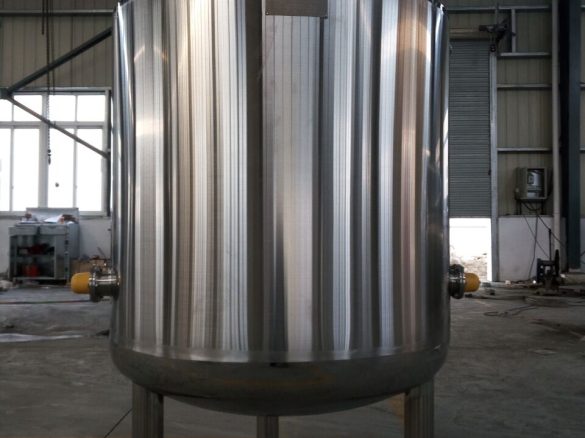
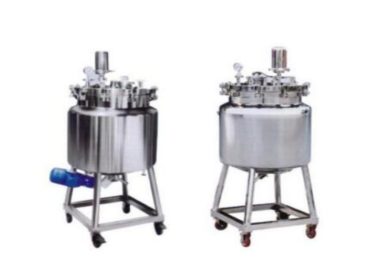
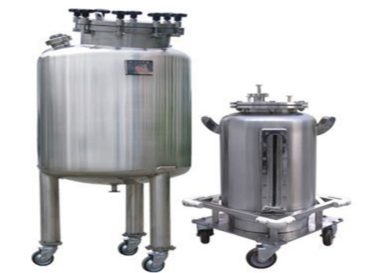
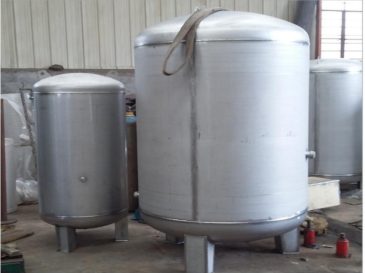
The alcohol recycling tower is composed of six key parts: a tower kettle, a tower body, a condenser, a cooler, a buffer tank, and a high-level storage tank. To ensure corrosion resistance and meet industry standards, we use stainless steel 304/316L for all parts that come into contact with materials.
We install a jacket outside the tower kettle, through which we pass steam to provide heating. Inside the tower, we use high-efficiency stainless steel corrugated packing to enhance rectification efficiency.
Additionally, we perform a matte treatment on the outer surface of the equipment to meet GMP pharmaceutical standards. This design not only ensures high recovery efficiency but also makes the equipment easy to operate.
Furthermore, we use stainless steel for almost all equipment parts that come into contact with alcohol, including condensers, pressure-stabilizing tanks, and cooling coils, to further enhance durability and hygiene.
4. Core Features and Common Models
The biggest feature of this equipment is its continuous operability; it is also simple to operate and convenient to maintain. For ethanol recovery in the pharmaceutical industry, we commonly use two models: the T300 alcohol recycling tower and the DT600 alcohol recycling tower.
4.1 T300 Alcohol Recycling Tower
Operation time: 8 hours
Tower diameter: 300mm
Production capacity: 1500 – 2000kg
Alcohol concentration (raw material): 50 – 60%
Finished product concentration: 95%
Operating temperature: 85°C
4.2 DT600 Alcohol Recycling Tower
Total operation time: 16 hours/batch
Steam time: 11 hours/batch
Tower diameter: 600mm
Dilute alcohol concentration (raw material): 70%
Production capacity: 4000 liters/batch
Finished product output: 2670 liters/batch
Sewage discharge: 1200 liters/batch
Rectification recovery rate: 90%