Basic Definition and Core Principle
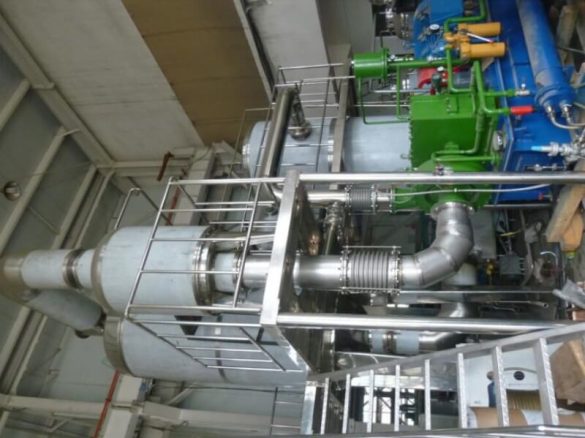
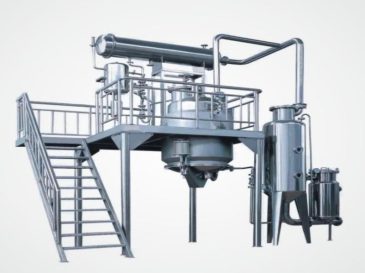
MVR stands for “Mechanical Vapor Recompression”. We also call it an MVR mechanical compression evaporator, fully named Mechanical Vapor Recompression Evaporator. Its basic principle is to recover and mechanically recompress waste heat steam from evaporation. This improves the steam’s cleanliness and enthalpy for reuse, achieving energy conservation and environmental protection.
Overview and Main Types
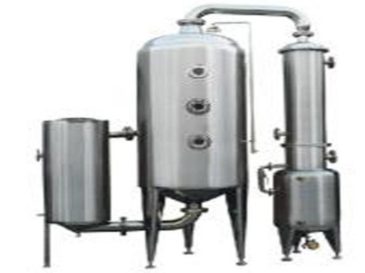
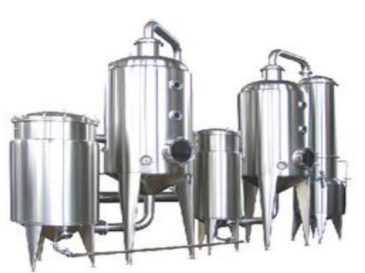
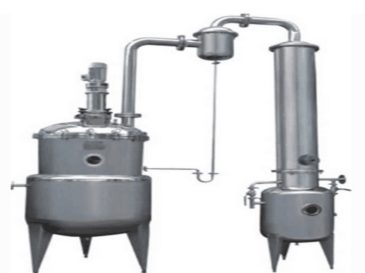
The MVR evaporator is new high-efficiency energy-saving equipment for the pharmaceutical industry. It uses low-temperature low-pressure steam technology and electricity to generate steam. This steam separates moisture from the medium. As the world’s most advanced evaporation technology, it replaces traditional evaporators. Main types include: MVR forced circulation evaporator (crystallizer), MVR rising film evaporator, MVR falling film evaporator, and MVR split-type evaporator.
Working Mechanism and Operational Process
The MVR evaporator differs from ordinary evaporators. As a single-unit device, it integrates multi-effect functions. It uses segmented evaporation. If the product fails to reach the target concentration in one pass, a vacuum pump recirculates it through the effect body until it meets the requirement.
Fine tubes line the inside of the effect body. The product flows in a film inside the tubes, maximizing heat transfer. Steam surrounds the tubes. A vacuum pump creates negative pressure inside the effect body. This lowers the water’s boiling point for concentration. The product evaporates at around 60°C.
After the product evaporates in the effect body, a separator separates condensed water, partial steam and residual heating steam. Condensed water flows out from the separator’s lower part to preheat incoming products. A fan supercharger pressurizes the steam (higher pressure means higher temperature). The pressurized steam merges with primary steam and re-enters the effect body through pipelines.
Startup and Operational Energy Consumption
The MVR evaporator needs some steam for preheating during startup. After normal operation, steam consumption drops sharply. The fan supercharger pressurizes secondary steam. This converts electrical energy into steam thermal energy, reducing steam demand but increasing power consumption.
Operational Temperature and Product Protection
The product stays around 60°C while flowing in the effect body. The temperature difference between heating steam and the product is about 5–8°C. A smaller temperature difference protects product quality and prevents tube fouling.
Concentration Requirements and Matching Equipment
The MVR evaporator alone can handle concentration around 50%. For a 60% target concentration, you need to install a flash evaporation device.
Key Performance Parameters
Evaporation Capacity: 0.5–100t/h, offering flexible choices for different scales. Energy Efficiency: During normal operation, the system only uses electricity, not steam. It consumes 15–100 KW·h per ton of water evaporated, cutting operational costs. Thermal Sensitivity Adaptability: The MVR rising film evaporator operates in single-effect mode. It has a small temperature difference and short residence time, ideal for heat-sensitive materials. Compact Structure: It has a small footprint. Automatic Operation: PLC control ensures continuous, stable operation.
Operational Requirements and Maintenance
The MVR rising film evaporator has low operational requirements. Its integrated blower has a compact structure. The HMI system supports one-button startup and automatic control. Routine maintenance only needs periodic filter replacement, reducing costs.
Core Feature
The MVR rising film evaporator’s core feature is high energy efficiency and excellent operational effectiveness. It is ideal for industrial evaporation scenarios.