Overview & Material Differences
Carbon steel storage tanks differ from stainless steel tanks mainly in material.
Manufacturers usually make them from carbon steel materials, such as Q235B and Q345R.
Surface Treatment
Workers usually pickle and passivate the inner surface of carbon steel storage tanks.
For the outer surface, they first apply anti-rust paint, then finish paint.
Enterprises can choose the finish paint according to their corporate culture.
Pressure, Wall Thickness & Price
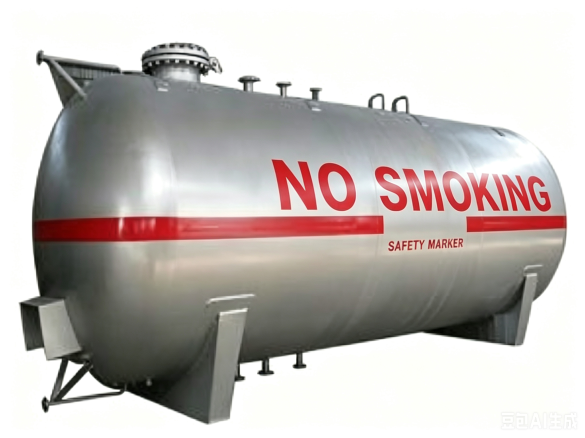
Most carbon steel storage tanks are pressure storage tanks.
They have relatively thick walls due to high pressure requirements.
They are much cheaper than stainless steel tanks with the same wall thickness.
Suitable Occasions
They are economical and practical for non-clean, non-corrosive occasions.
Such occasions include petroleum, chemical industry, and sewage treatment.
Volume & Basic Structure
Their volume ranges from 0.1m³ to 500m³.
Manufacturers design and manufacture them according to user requirements.
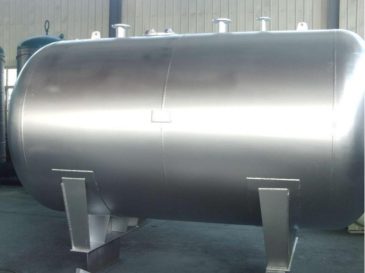
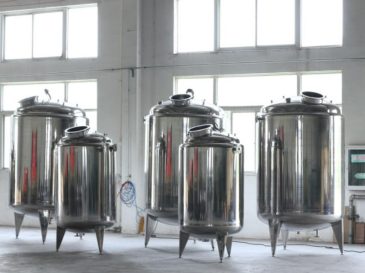
They have vertical or horizontal structures with elliptical or flat heads.
They are equipped with manholes, exhaust ports, nozzles, pressure gauges, and safety valves.
Customization & Main Applications
Manufacturers design them based on customers’ actual needs.
Most are large-scale and used in the petrochemical industry.
Their interfaces use standard flange connections for safety and reliability.
Anti-Corrosion Treatment
Workers can add anti-corrosion treatment inside the tank.
The outer tank can get anti-corrosion and paint treatment.
They can be lined with PE, PP, or tetrafluoroethylene for anti-corrosion.
Additional Features
They have thick walls and heavy weights, suitable for non-sanitary occasions.
They can store some corrosive materials, such as hydrochloric acid and sulfuric acid.
Most belong to pressure vessels, with pressure designed by customer needs.
They come with all safety reports and flaw detection reports.