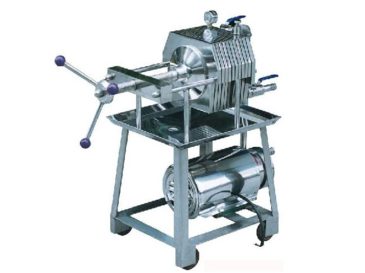
Overview & Basic Function
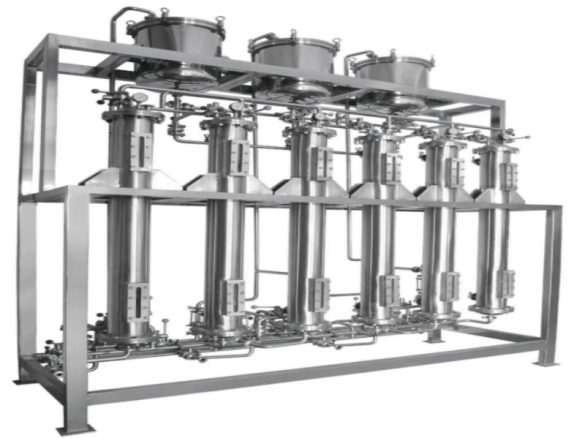
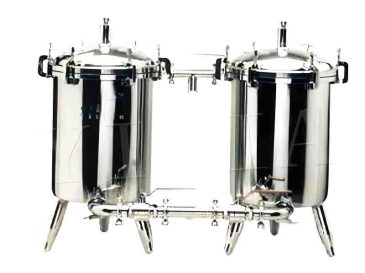
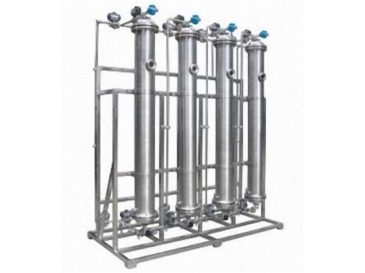
The stainless steel silicone column, also called a chromatographic silicone column or stainless steel chromatography column, serves a specific separation purpose. Specifically, operators use it to separate different types or components of plant active ingredients, chemical intermediates, and compounds from various fillers in the column under different conditions. This hierarchical separation helps them obtain the planned effective components or ingredients.
Cleaning Methods
Operators can use water, organic solutions, or acid-base solutions to flush or back-flush the column. This flexibility allows them to achieve different process purposes based on specific operational needs.
Cost & Material Characteristics
One notable disadvantage of the stainless steel silicone column is its relatively high use cost. However, it offers significant advantages in terms of materials and durability.
Common materials for such columns include glass, polypropylene (PP), stainless steel, rubber-lined or PTFE materials; gaskets often use silicone, PTFE, silicone-PTFE, or rubber plates. Among these options, the stainless steel silicone column stands out for being economical and durable—it can last up to 10 years under normal use. Additionally, it is clean and hygienic, easy to clean, and does not adhere to materials, so it fully meets GMP standards.
Application Scope
The stainless steel silicone column has a wide range of applications. It is mainly used for the separation of plant and traditional Chinese medicine active ingredients, the refinement of chemical intermediates from traditional Chinese medicine effective ingredients, and the purification of synthetic products.
Design, Manufacturing & Inspection Standards
According to different user requirements, manufacturers can implement the following design, manufacturing, and inspection standards:
1. SFDA “Good Manufacturing Practice for Pharmaceutical Production” (2010 Edition)
2. “Code for Design of Clean Rooms in Pharmaceutical Industry” (GB50457 – 2008)
3. GAMP (Good Automated Manufacturing Practice) for Pharmaceutical Production
4. GB150.1 – 150.4 – 2011 “Steel Pressure Vessels”
5. NB/T47003.1 – 2009 “Steel Welded Atmospheric Pressure Vessels”