Product

Fully Automatic Fermenter

Overview

1. Overview and Core Advantages

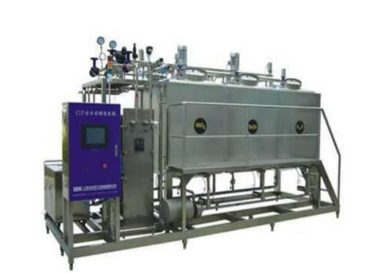
The fully automatic fermenter is a high-efficiency fermentation equipment integrated with full automation control. First and foremost, it boasts the advantages of safety, reliability, stability and high efficiency. Consequently, it has become an ideal choice for industrial fermentation production. Moreover, it can effectively meet the large-scale and high-standard production needs of the industry, while also laying a solid foundation for enterprise production.

2. Integrated System Composition

2.1 Core Components

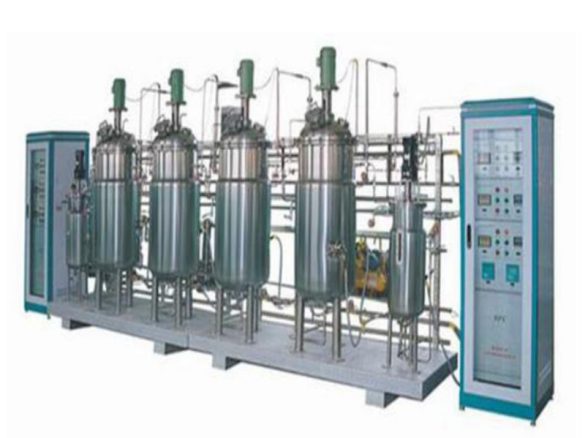
The fully automatic fermenter works as an integrated system, composed of core components and supporting systems. Specifically, it mainly includes a seed tank, fermentation tank, feeding tank, sterile air filtration system, automatic fermentation process control system, auxiliary equipment and pipeline valve system. Additionally, each of these components plays a vital role in the fermentation process, and none can be missing.

2.2 Component Collaboration

All core components and supporting systems work in coordination to ensure the equipment operates smoothly. Furthermore, this close collaboration not only optimizes the fermentation process but also reduces the risk of equipment failure during operation.

2.3 Operational Advantages of the Integrated System

Besides its collaborative design, the integrated system can significantly improve production efficiency by reducing manual errors and shortening production cycles. At the same time, it strictly guarantees product quality, which in turn brings considerable economic benefits to enterprises. Additionally, the close collaboration of all components ensures the overall stability of the equipment, further enhancing its operational reliability.

3. Parameter Protection and Control Mode

3.1 Parameter Protection Mechanism

Additionally, a password protects the manual configuration of each control loop’s parameters on the screen; this measure effectively prevents misoperation by irrelevant personnel and ensures the accuracy and safety of parameter settings. Moreover, this protection mechanism also avoids accidental parameter changes that could disrupt the fermentation process.

3.2 Flexible Control Mode

Moreover, it adopts a PID control mode with manual/auto bumpless transfer, which can flexibly adapt to various control elements and performance requirements. Furthermore, this mode ensures precise and flexible control over the entire fermentation process, allowing operators to switch between manual and automatic modes seamlessly without affecting production stability.

4. Data Management and Alarm Functions

4.1 Real-Time Data Management

Furthermore, it displays and records real-time data in the form of trend graphs and charts, allowing operators to intuitively monitor the fermentation process. This not only helps operators grasp the operation status in real time but also facilitates the analysis of historical data for process optimization and improvement. Additionally, the visual presentation of data makes it easier for operators to identify potential issues at an early stage.

4.2 Alarm and Data Protection

Besides, it displays and records real-time data through trend graphs and charts; this intuitive data presentation allows operators to quickly grasp the fermentation process status and make timely adjustments when necessary. In addition, the dual display and recording of data ensure data redundancy, reducing the risk of data loss.

4.3 Historical Data Application

This not only helps operators monitor the operation status in real time but also provides data support for the analysis of historical data. Consequently, enterprises can use this data to optimize the fermentation process, adjust parameters, and further improve production efficiency. Furthermore, historical data also serves as a reference for batch production, ensuring consistency across different production batches.

5. Operational Convenience and Process Visualization

5.1 Visualized Operation and Time Tracking

Not only does it enable visualized operation through the HMI, making the operation more intuitive and simple, but it also has a built-in clock that tracks batch dates and runtime. This not only facilitates convenient production management but also helps with batch traceability, thereby assisting enterprises in standardizing their production processes. Additionally, the visualized operation reduces the learning curve for operators, improving operational efficiency.

5.2 Flexible Alarm Configuration

Additionally, it allows configurable alarm suppression (either temporary or permanent) to meet different operational needs in various production stages. This flexibility further enhances the equipment’s adaptability to complex production scenarios. Moreover, the configurable alarm system prevents unnecessary interruptions while ensuring potential risks are not overlooked.

5.3 Precise pH Regulation

Moreover, it visualizes the addition of acid and alkali through curve-based pH profile control; this precise regulation method ensures the stability of the fermentation environment. Furthermore, it effectively avoids product quality issues caused by pH deviations, which is crucial for maintaining consistent product standards. Additionally, the curve-based control allows for more accurate adjustments, adapting to the dynamic changes in the fermentation process.

6. Temperature and Process Control

6.1 Temperature Profile Control

Furthermore, it controls temperature profiles through time-segmented curve settings, which can flexibly adapt to the different temperature requirements of various fermentation stages. This ensures that each stage of the fermentation process proceeds optimally, which is crucial for improving product quality and yield. Besides, the time-segmented control allows for precise temperature adjustments, matching the specific needs of microbial growth at each stage.

6.2 Feeding Process Control

Meanwhile, it visualizes the feeding process through cumulative volume display, allowing operators to intuitively monitor the feeding amount. This not only ensures accurate feeding but also avoids material waste or insufficient feeding, thus guaranteeing the stability of the fermentation process. Additionally, the visualized feeding process helps operators track material usage, facilitating inventory management.

6.3 Defoaming Process Monitoring

Finally, it has a defoaming function with foam level recording and process visualization. This function ensures stable fermentation and prevents foam-related issues that may affect product quality. Moreover, the foam level recording allows operators to analyze foam patterns and adjust the defoaming process accordingly, further optimizing production stability.

Main Control Points

No.
Name
Performance Requirements and Technical Specifications
1
Temperature Control System
1. Measurement Range: 0–150°C
2. Control Range: Normal temperature to +65°C for the water tank
3. Control Accuracy: ±0.2°C
4. Resolution: 0.1°C
5. Control Functions: On-line temperature detection, PID intelligent control with configurable setpoints according to fermentation process requirements
6. Component Selection: Japanese imported PT100 platinum resistance temperature sensor, SUS304 stainless steel electrode sheath, stainless steel electric heating tube, SUS304 stainless steel constant temperature water tank, hot water circulation pump control
7. Features:
A) Equipped with hot water tank for Circulating Temperature Control, saving energy
B) PID intelligent control system ensures rapid and energy-efficient temperature control
C) Jacket remains at zero pressure during Circulating Temperature Control, eliminating the need for external safety valves for enhanced safety and reliability
8. Alarm function for temperature exceeding upper/lower limits
9. Software Functions: Data curve graph, data report, manual/automatic temperature control modes
Production-scale fermenter constant temperature hot water tank with independent temperature control, including water inlet, return port, overflow port, drain port. Material: SUS304 stainless steel with surface polishing treatment. (One large constant temperature hot water tank shared by three fermenters)
2
pH On-line Detection and Control System
1. Control Mode: Fully automatic control with configurable pH setpoints
2. Display Range: 0–14 pH
3. Control Range: 2–12 pH
4. Resolution: 0.01 pH
5. Control Accuracy: ±0.03 pH
6. Control Functions: On-line pH detection, PID intelligent control
7. Component Selection: Swiss imported Mettler glass gel pH electrode for detection, capable of in-situ high-temperature sterilization (121°C for 30 minutes). On-line pluggable electrode sheath and transmitter, connected with Mettler original double-shielded signal transmission line to ensure precise pH control
8. Actuator: Microcomputer intelligent PID control peristaltic pump or solenoid valve for automatic acid/alkali dosing to maintain pH within the set range, with manual/auto control modes
9. pH upper/lower limit alarm function
10. Software Functions: Data curve graph, data report, manual/auto pH control
11. Electrode Length: 120 mm; Electrode Outer Diameter: 12 mm; Installation Size: 25 mm
3
DO Detection System
1. Detection Mode: Automatic detection
2. Display Range: 0–100% or 0–150%
3. Display Accuracy: ±0.1%
4. Control Functions: On-line DO value detection
5. Component Selection: Swiss imported Mettler polarographic dissolved oxygen electrode for detection, capable of in-situ high-temperature sterilization (121°C for 30 minutes). Equipped with stainless steel electrode sheath and transmitter, connected to PLC via original Mettler double-shielded signal transmission line to ensure precise DO display
6. System with DO abnormality alarm function
7. Electrode Length: 120 mm; Electrode Outer Diameter: 12 mm; Installation Size: 25 mm
4
Pressure and Flow Control System
1. φ60–φ100 surface axial/radial stainless steel pressure gauges indicate pipeline, tank, and jacket pressure. A manual diaphragm valve controls tank pressure, with a range of 0–0.4 MPa.
2. A glass rotameter with a manual diaphragm valve controls gas inlet flow.
3. A check valve is installed in the pipeline to prevent material backflow and filter contamination.
5
Feeding System
1. Actuator: Constant-flow peristaltic pump or solenoid valve for feeding.
2. Control Mode: Automatic material feeding with manual/auto control modes.
6
Defoaming System
1. Control Mode: Fully automatic control.
2. Control Accuracy: 10–100,000 Ω.
3. Control Functions: Foam abnormality alarm and automatic intermittent treatment.
4. Actuator: Foam sensor detection with microcomputer-controlled peristaltic pump or solenoid valve for defoamer dosing.
5. Control Mode: Manual/auto control modes.
7
Rotation Speed Control System
A Siemens frequency converter adjusts speed: 50–400 rpm ±1% (variable frequency speed control).
Fermenter-specific: Siemens frequency converter, 50–350 rpm ±1%, stepless variable frequency speed control.
8
Lower-level Fermentation Process Control System
1. 10.4″ wide-screen color LCD touchscreen with PLC programmable control. It has a user-friendly HMI (Human-Machine Interface). One controller can simultaneously monitor and control corresponding parameters of multiple seed tanks and fermenters.
2. The bioprocess control system consists of a field controller, fermentation process control software, sensors, and actuators. The field controller centers on a programmable logic controller. It uses multi-level expansion with sufficient A/D conversion channels, D/A conversion channels, and digital I/O ports. It features an industrial-grade HMI, enabling independent operation without a host computer and enhancing system reliability.
3. The software control system employs an advanced fuzzy control architecture. It includes a lower-level controller for field signal acquisition/transformation and software. All control loops use intelligent PID with high precision and self-tuning algorithms.
4. The on-site HMI uses a high-sensitivity LCD touchscreen with a fully Chinese interface. It supports digital setting, rapid calibration, data storage, over-limit alarms, and password protection. The monitoring software is developed based on a well-known domestic configuration software. It has an aesthetic interface, comprehensive functions, flexible operation, and stable performance. The controller is equipped with a USB port for data export to external printers.

Leave Message