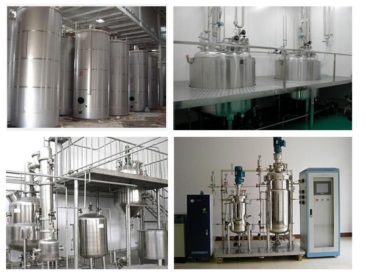
1. Basic Chemical Features of Ammonia Water
To start with, let us look at the basic chemical properties of ammonia water.
Ammonia reacts with water to form ammonia solution (NH3 + H2O = NH3·H2O), and this solution shows weak alkalinity.
Ammonia water has very low stability, so heating it causes rapid decomposition.
A 1% aqueous solution has a pH value of 11.7.
In addition, concentrated ammonia water contains 28% to 29% ammonia.
2. Physical Characteristics and Safety Risks
2.1 Physical Characteristics
Under normal conditions, ammonia exists in a gaseous state. Furthermore, it is lighter than air, so it escapes easily into the air.
2.2 Safety Risks
Moreover, it has strong irritant and corrosive effects. As a result, it can quickly cause acute poisoning and burns to skin and tissues.
3. Thermal Decomposition and Explosion Danger
3.1 Thermal Decomposition Characteristics
Ammonia water decomposes easily and releases ammonia gas. Specifically, as the temperature rises, the decomposition speeds up significantly.
3.2 Explosion Hazards
This decomposition reaction creates flammable and explosive gas mixtures. Additionally, when we expose the container to high heat, its internal pressure rises sharply.
This sharp pressure rise greatly increases the risk of container cracking and explosion.
4. Key Performance Requirements for Storage Tanks
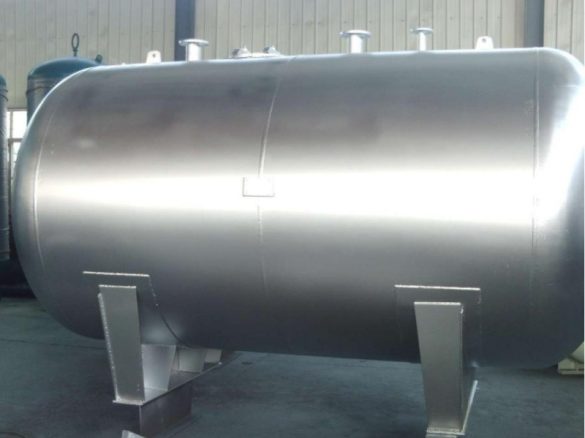
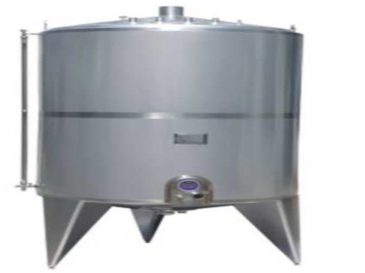
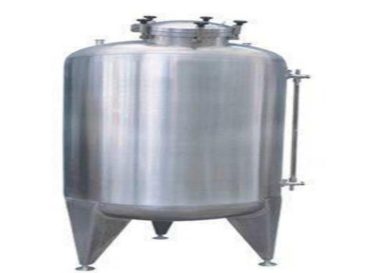
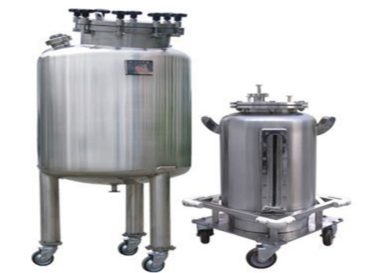
For all these safety reasons, we must carefully test the tightness, pressure resistance, and explosion-proof performance of ammonia water storage tanks.
5. Recommended Storage Environment
5.1 Warehouse Storage Requirements
We must store ammonia water in a cool, dry, and well-ventilated warehouse.
5.2 Temperature Control Standards
To avoid rapid ammonia decomposition, we design storage tanks with a temperature below 50 °C. Besides, this temperature control effectively slows down thermal decomposition and lowers internal pressure buildup.