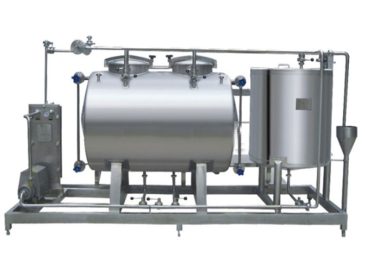
1. Product Overview and Core Definition
Solid fermentation tanks correspond directly to liquid fermentation tanks. We define solid fermentation as a process where the fermentation medium is solid and remains solid even after fermentation completes.
Accordingly, we design the solid fermentation tank as a vessel that provides the necessary site and conditions to complete solid fermentation. Since solid fermentation requires specific humidity and uniformity, we prioritize humidity control settings and stirring systems as the key controls for this process.
2. Advantages of Solid Fermentation and Basic Process
Solid fermentation offers multiple advantages. For example, it features simple operation, low energy consumption, and easy control of the fermentation process. Additionally, it has relatively low sterility requirements and a low risk of large-scale contamination.
We first subject the raw materials of solid fermentation tanks to pre-processing steps such as steaming and sterilization. Then, we process these raw materials into solid materials with a specific moisture content, inoculate them with pre-cultured strains, and finally initiate the fermentation process.
3. Post-Fermentation Handling and Efficiency
Once fermentation matures, we discharge the material in a timely manner and subject it to appropriate treatment, or directly extract the product. This process boasts relatively high efficiency, and the extraction process itself is simple and controllable.
4. Classification and Selection Criteria
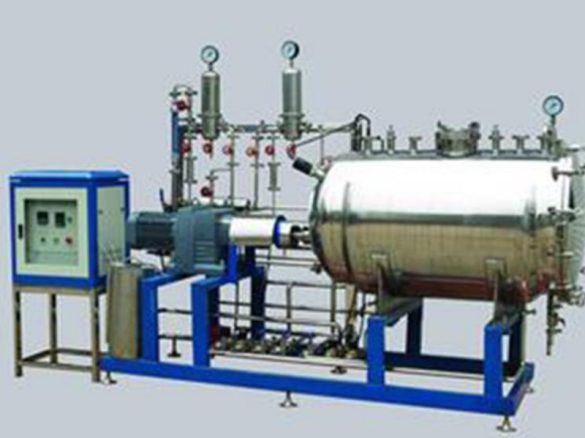
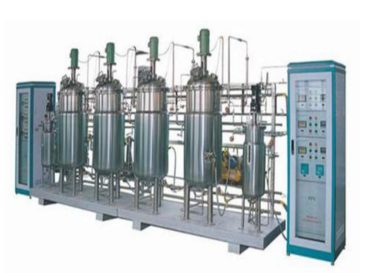
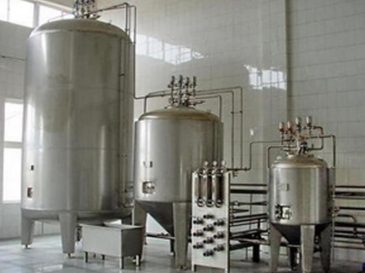
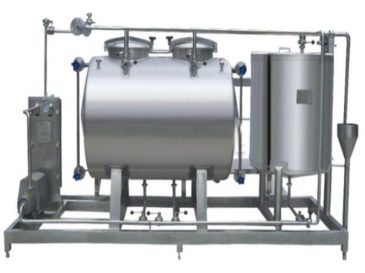
We categorize solid fermentation tanks into vertical fermentation tanks and horizontal fermentation tanks. The specific choice between these two types depends on the specific state of the culture medium, as different medium states require different tank structures for optimal fermentation results.
5. Key Control Systems
5.1 Temperature Control
Solid fermentation tanks maintain the required fermentation temperature through jacket-based constant temperature control. This ensures a stable environment for microbial growth and fermentation.
5.2 Sterilization Methods
We can conduct sterilization in two ways: either inside the tank or before the materials enter the tank for fermentation. Both methods effectively eliminate miscellaneous bacteria and ensure the purity of the fermentation process.
5.3 Humidity Regulation
We generally use a humidity controller to monitor humidity. The controller adjusts and maintains constant humidity within the 0–100% range through aseptic water spraying (mist) devices and moisture evaporation devices.
Moreover, we equip the tank with humidity sensor devices to display real-time humidity data, allowing operators to monitor and adjust as needed.
5.4 Ventilation Control
Ventilation control is another key point for solid fermentation tanks. We ensure the ventilation is sterile, and we design both the air volume and velocity to be adjustable, meeting the different ventilation needs of various fermentation stages.
5.5 Stirring System (Critical Control Point)
The stirring system is the most critical control point of a solid fermentation tank. Since solid-state fermentation requires uniform inoculation and solid materials are not easily mixed, we design the stirring system to ensure uniform material mixing and even strain distribution after inoculation.
We typically perform inoculation via spraying. Common stirring forms include mechanical stirring and synchronous stirring of the tank body and mechanical agitator.
The stirring system adopts top direct-connected mechanical stirring or horizontal shaft stirring, with kettle mechanical seals, various high-performance stirring paddles, defoaming paddles, AC speed-regulating motors, and stepless speed adjustment.
We also install glass windows on the tank to allow operators to easily observe the internal state of the tank during fermentation.
6. Process Interfaces Configuration
Solid fermentation tanks are equipped with various process interfaces to meet different operational needs. These interfaces include temperature and humidity interfaces, aseptic sampling ports, specially designed large discharge ports, liquid strain inoculation ports, feeding ports, pressure gauge ports, air inlets, air outlets, and upper/lower jacket ports.