1. Product Overview
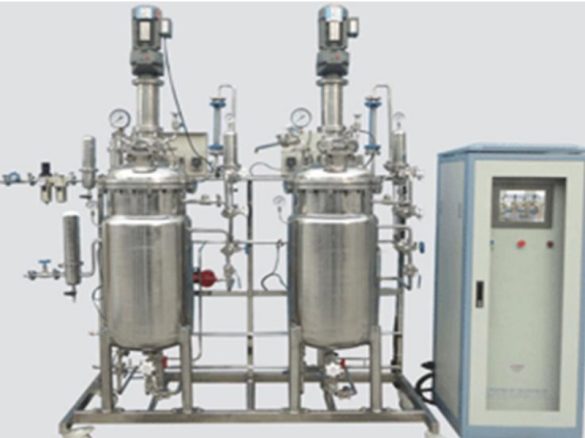
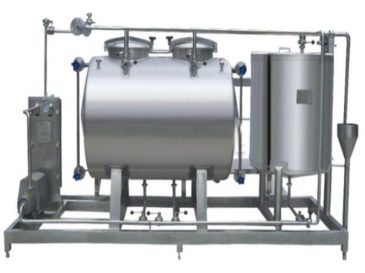
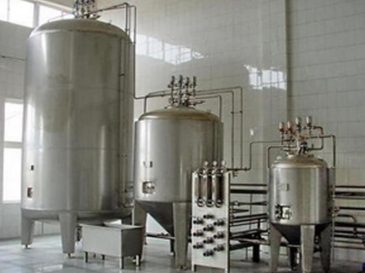
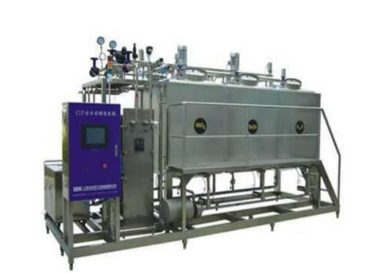
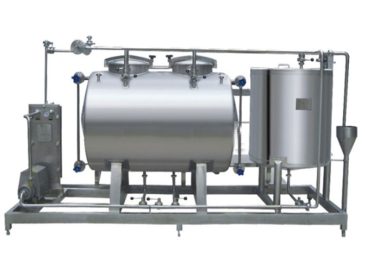
We design the seed tank, also known as the strain culture tank, as a specialized vessel for culturing (microbial) strains for fermentation, and it also serves as a microbial expansion tank. Additionally, we widely use stainless steel seed tanks across multiple industries, including yogurt, lactic acid bacteria beverages, brewing, pharmaceuticals, chemicals, and fungal culture.
Common strains that we culture in seed tanks include those used for producing monosodium glutamate, citric acid, enzyme preparations, and more. Importantly, we design the seed tank based on the characteristics of the microorganisms that need culturing and expansion, ensuring it meets specific microbial growth needs.
2. Difference from Fermentation Tanks
The seed tank and the fermentation tank differ significantly in both structure and function. First of all, the seed tank generally has a smaller volume, and we equip it with a flame inoculation port for safe strain inoculation. In contrast, the fermentation tank has no inoculation port; instead, it connects directly to the seed tank to receive strains for fermentation, forming a continuous production process.
3. Structure & Components
We connect the head and body of the seed tank with flanges, which facilitates easy disassembly, cleaning, and maintenance. Moreover, we equip the tank body with a long strip sight glass, and we fit the upper head with both a sight glass and a spotlight; these features allow operators to easily observe the strain culture status at any time.
3.1 Key Functional Components
① Stirring device: It breaks bubbles, ensures uniform contact between air and solution, and promotes oxygen dissolution in the medium. This is crucial for microbial growth, as most strains require sufficient oxygen to thrive.
② Baffle: It changes the liquid flow direction from radial to axial, enhances liquid turnover, and increases dissolved oxygen. Furthermore, it prevents the liquid from swirling excessively, which could affect strain growth.
③ Defoamer: It breaks foam, and its common forms include serrated, comb-like, and orifice plate types. Specifically, the orifice plate type has an aperture of about 10-20 millimeters, and its length is about 0.65 times the tank diameter, ensuring effective foam breaking.
④ Jacket: We use it for heat exchange, which enables the tank to maintain a constant temperature, heat up, or cool down as needed. This stable temperature environment is essential for consistent strain culture.
⑤ Shaft seal: It seals the gap between the tank top/bottom and the shaft to prevent leakage and contamination by miscellaneous bacteria. This ensures the purity of the strain culture and avoids production failures.